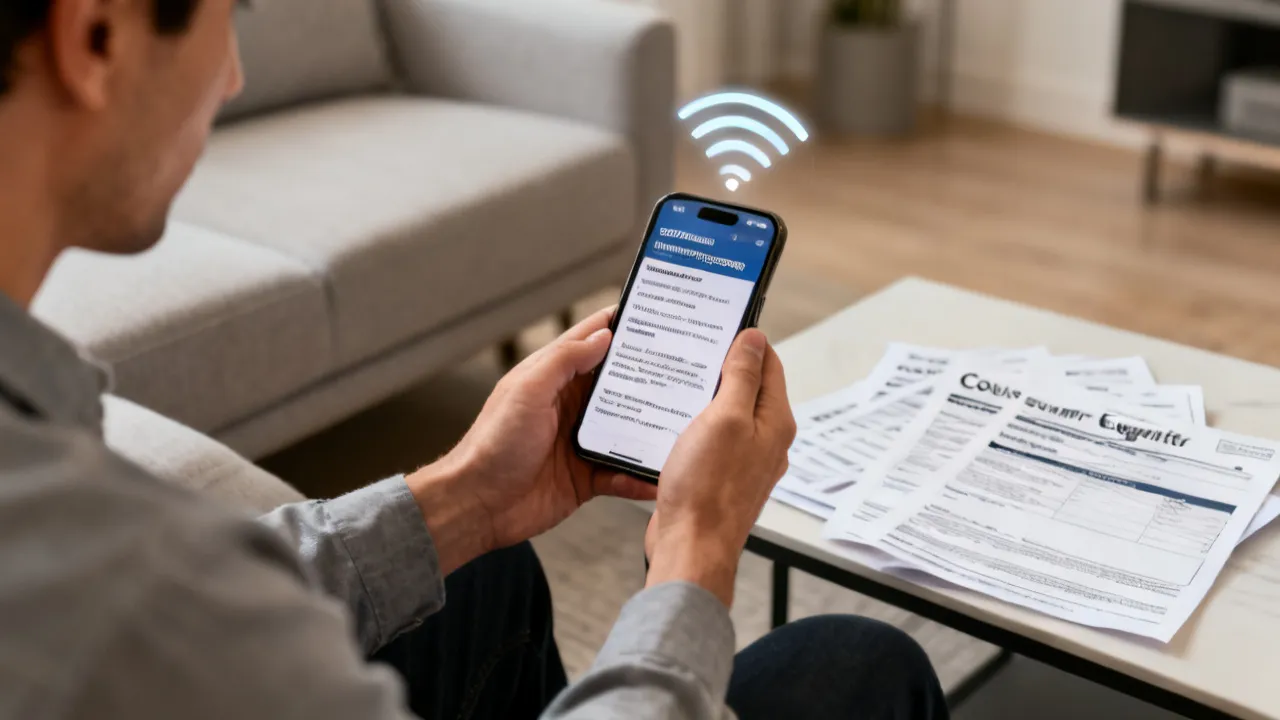
Government Phone Programs and Wireless Plan Options
This guide explains how Lifeline and ACP-supported wireless programs can help eligible households access smartphone service through major carriers. It compares SafeLink Wireless, Assurance Wireless, StandUp Wireless, Access Wireless, and True Wireless, focusing on eligibility, application steps, and what service tiers typically include. It also summarizes how documentation and income rules are used in eligibility reviews.
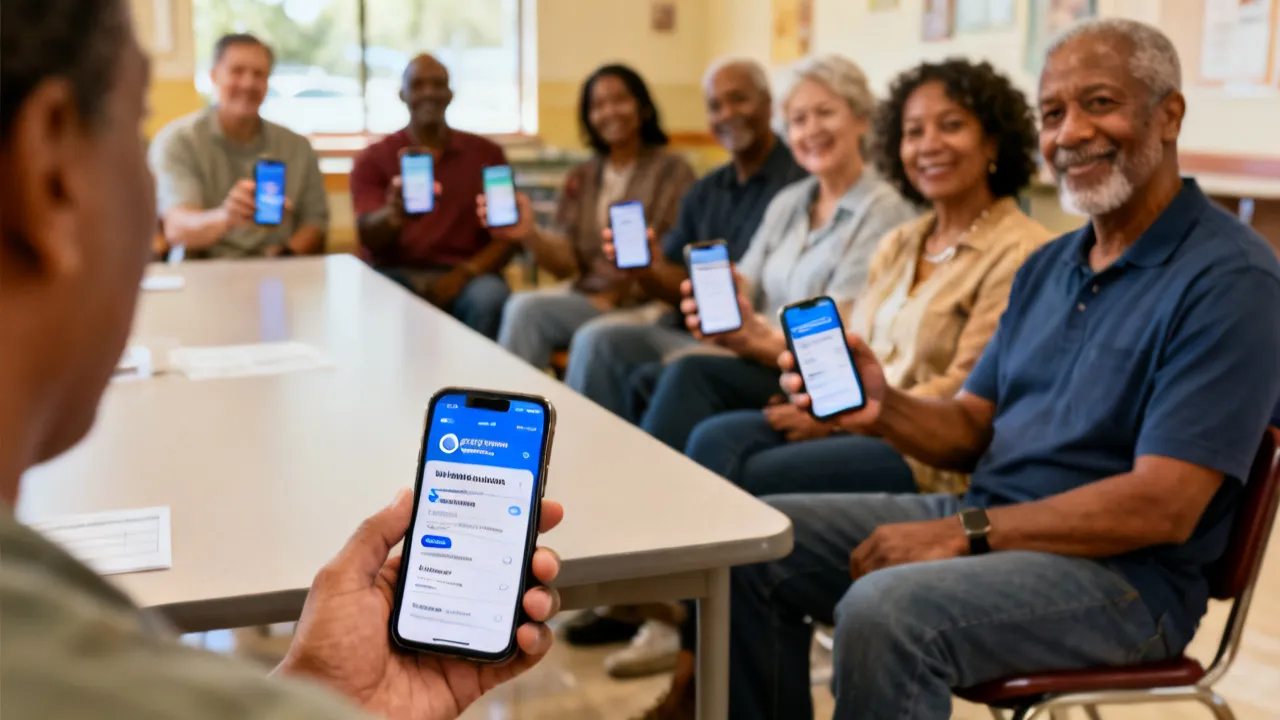
Key Takeaways: Choosing a Government-Supported Wireless Plan Near You
When people search for “33998412549” alongside government phone options, they are usually trying to find a reliable pathway to a low-cost or subsidized wireless plan. In practice, the top results come from matching your eligibility situation to a specific provider’s Lifeline (generally income-based) or ACP-style affordability support (linked to broadband affordability). Below, you’ll find an objective comparison of SafeLink Wireless, Assurance Wireless, StandUp Wireless, Access Wireless, and True Wireless—five brands that commonly participate in U.S. government-supported wireless programs.
Core decision points: (1) verify whether your household qualifies under income or qualifying assistance program rules, (2) select a provider whose application process aligns with how you can submit documents, and (3) review what the plan typically includes—voice/text and data allowances—plus any optional add-ons that may affect total cost.
Professional note (industry perspective): Carriers often use standardized eligibility workflows because Lifeline and ACP participation is regulated. However, each provider may differ in device options, documentation upload systems, and what “unlimited” means within their fair-use and data management practices. For that reason, consumers should treat marketing claims as a starting point and confirm the exact plan terms during enrollment.
Quick Provider Comparison Table: What Plans Typically Include
| Provider | Services Included (Typical) | Possible Additional Package Costs |
|---|---|---|
| SafeLink Wireless | Smartphone options (or BYOD), talk/text, and data allowances that vary by plan and state | Premium device upgrades and potential paid data-related options depending on plan features |
| Assurance Wireless | Affordable Android device options, unlimited talk and text, and data allowances | Optional upgrades (e.g., additional high-speed data) and add-on services |
| StandUp Wireless | Smartphone or BYOD options, unlimited talk/text, and data plans | Fees may apply for premium device upgrades or extra data |
| Access Wireless | Unlimited voice/text and limited high-speed data under Lifeline/ACP-style eligibility pathways | Data boosts and device upgrades may require payment |
| True Wireless | Government-supported phone access, voice and data plans | Optional better-device selections and extra data options may cost more |
source: www.safelinkwireless.com
source: www.assurancewireless.com
source: standupwireless.com
source: www.accesswireless.com
source: www.gotruewireless.com
Source note: The table above summarizes high-level offerings as described by the providers’ official websites. Exact terms can vary by state, device availability, and enrollment selection.
Background Context: What These Keywords and Programs Usually Refer To
The “Phone” category in many searches often reflects a consumer need rather than a single carrier’s product. People looking for government-supported wireless typically want to accomplish three practical objectives: maintain connectivity for work and scheduling, ensure emergency accessibility, and reduce monthly telecom spending.
In the U.S., these efforts commonly relate to government-supported programs such as Lifeline (a long-running affordability support program administered through eligibility rules that involve income thresholds and participation in certain government assistance programs) and affordability support programs for broadband/wireless such as ACP-style connectivity assistance (which historically has had separate eligibility rules tied to income and qualifying program participation). While consumers often describe these collectively as “government phone programs,” the eligibility basis and plan behavior can differ between program types.
For carriers like SafeLink Wireless, Assurance Wireless, StandUp Wireless, Access Wireless, and True Wireless, participation is typically structured around regulated eligibility checks. This means applicants should expect an identity and household eligibility review rather than an fast decision based only on an online form entry.
In many cases, the confusion comes from how people search. A phrase like “government phone near me” or “assurance wireless apply” may appear alongside phone-related numbers, internal codes, or tracking strings. The numeric sequence “33998412549” can show up due to a search redirect, a cached page reference, or a campaign identifier—none of which should be treated as a substitute for the provider’s official eligibility and application steps.
So when you find a result mentioning a number, treat it as an entry point to locate official pages—not as a guarantee of a benefit. The right approach is to use official provider websites (or authorized partner sites) and follow enrollment instructions precisely.
How Eligibility Usually Works (Conditions/Requirements + What Reviewers Look For)
Regardless of which provider you choose, the eligibility system tends to evaluate: (1) whether the applicant’s household meets income thresholds or participates in qualifying assistance programs, and (2) whether the applicant is enrolling in a manner consistent with program rules (such as avoiding duplicate benefits across multiple carriers).
Common eligibility conditions highlighted across these providers:
- Income eligibility often tied to federal poverty guideline percentages (the exact rule varies by program type and year).
- Participation in qualifying assistance programs such as Medicaid, SNAP, SSI, and FPHA.
- Tribal lands can provide additional benefit pathways for some participants.
Professional caution: Applicants sometimes lose time by using documents that are outdated or not clearly legible. A clear, readable document that matches the applicant’s submitted information supports faster verification. For example, if your name is shortened on one document but spelled out on another, or if the address formatting differs (apartment “#1” vs “Unit 1”), it can create avoidable back-and-forth.
In many workflows, the verification process is not just a formality; it’s what prevents duplicate benefits. Reviewers typically also look for consistency in identifiers such as:
- Applicant full legal name
- Residential address and household address consistency
- Program participation details (for people qualifying via assistance programs)
- Income documentation details (for people qualifying via income thresholds)
- Ability to confirm that only one Lifeline benefit is being claimed per household (or per program rules)
Because these checks can be strict, it’s smart to treat your application like a formal request. If you prepare your documentation before you start, you can often avoid the delays caused by re-submission.
Conditions/Requirements at a Glance (Rephrased Comparison)
| Eligibility Basis | What It Generally Means | Typical Enrollment Implications |
|---|---|---|
| Income at or below program thresholds | Household income fits within the relevant federal poverty guideline percentage for the applicable program | May qualify for the subsidized wireless service level |
| Participation in qualifying government programs | Enrollment in programs such as Medicaid, SNAP, SSI, or FPHA | Often qualifies without separately calculating income, depending on documentation |
| Tribal residence pathways | Residing on eligible tribal lands may provide expanded support routes | Additional benefits may apply under program rules |
It’s also worth noting that “near you” doesn’t just mean geography—it may also mean whether a provider offers service in your area and whether a specific device or plan selection is available where you live. Even when eligibility rules are standardized, plan options and inventory can vary.
Step-by-Step: How to Get a Subsidized Phone Plan (Application + Verification)
Below is a practical, step-by-step process that mirrors how many U.S. government-supported wireless applications are handled across participating carriers. Even though the exact interface differs, the underlying process is consistent.
- Confirm your eligibility pathway. Determine whether your household qualifies through income thresholds or enrollment in qualifying assistance programs (examples often include Medicaid, SNAP, SSI, and FPHA).
- Gather documentation in advance. Providers typically require proof of eligibility (e.g., documentation demonstrating income eligibility or program participation). Ensure the documents are current and readable.
- Choose your provider. Decide between carriers such as SafeLink Wireless, Assurance Wireless, StandUp Wireless, Access Wireless, or True Wireless based on service availability in your area and the device options you prefer.
- Start the online application. Many applicants begin via the provider’s website form. Some enrollment flows also integrate eligibility verification tools or a national verifier process.
- Upload or submit required documents. Very providers require you to upload documents after entering personal and household details. Double-check names, addresses, and identifiers for consistency.
- Wait for verification. Your application is typically reviewed to confirm eligibility. If you are found eligible, you may receive instructions for activation and device selection.
- Select the handset option (if offered). Some providers offer an Android smartphone selection or allow bring-your-own-device (BYOD). If you already own a compatible device, BYOD may reduce the need for a new handset (subject to carrier compatibility rules).
- Activate service and confirm plan terms. After approval, activate the service and verify the plan’s data allowance, speed behavior, and any fair-use conditions.
To make this more practical, consider adding a “pre-application checklist” to your process:
- Have a current ID or documentation that verifies identity.
- Know the exact name of your assistance program (if you qualify through benefits).
- Have a recent proof document (recent pay stub, award letter, benefits statement—whatever the provider requests).
- Ensure your email and/or phone number are working so you can receive verification updates.
- Be prepared to wait a short period after submission for the eligibility review.
This matters because some people submit their request quickly but then struggle to upload a file or correct information. If you anticipate technical problems (like scanner quality or weak internet), you can reduce friction by preparing files in advance—clear scans, properly sized images, and legible text.
What to Expect During Verification (Common Bottlenecks and How to Reduce Them)
People often assume verification is either instant or it’s not. In reality, verification can involve several steps: data matching, document review, and occasionally follow-up requests. While the details differ by provider, applicants typically encounter delays when:
- Documents are blurry or cut off at the edges.
- The document doesn’t match the household name or address used in the form.
- The document is outdated (e.g., older than what the provider considers acceptable).
- Information is typed slightly differently (middle initial missing; “St.” vs “Street”).
- Applicant attempts to apply through multiple carriers or multiple accounts, which may trigger rule-based restrictions.
If you’re waiting, monitor your email and any account portal messages. Some enrollment systems send an update requiring you to re-upload a corrected document. If you address these requests quickly, you can often recover from delays.
Also, consider your device strategy before you’re approved. If you plan to bring your own phone (BYOD), confirm compatibility early. If your device is not supported, you might end up needing to switch to an eligible handset option offered through the program.
Provider Deep-Dive: What Each Carrier Typically Offers
SafeLink Wireless (safelinkwireless.com)
SafeLink Wireless is commonly described as offering smartphone options (or BYOD in some cases) alongside voice and text service with data allowances that can vary by plan and by state. In enrollment workflows, applicants typically submit proof of eligibility. If applicants select premium device options or require expanded data characteristics, additional costs can apply.
Expert perspective: When evaluating SafeLink Wireless, focus on the data component and how it is managed (e.g., allowance type and whether any throttling or speed management applies after a threshold). Such technical details often matter more than the headline description.
Because households may use a subsidized plan for both essential communication and everyday internet access—maps, banking apps, school portals—understanding data behavior can prevent frustration. For example, a plan may describe “unlimited data,” but it might mean “unlimited with reduced speeds after a certain amount.” Another plan might provide a fixed amount of high-speed data and then reduce speed. Even if both are technically “unlimited,” the user experience could be meaningfully different.
When you are considering SafeLink Wireless, it helps to ask (or look for answers) on the following items:
- Is there a daily or monthly high-speed data allowance?
- What happens after you reach the high-speed portion (throttling, reduced speeds, or suspension)?
- Can you add data for an additional fee, and is that easy to do through the account?
- Does the plan support hotspot use, and if so, are there limits?
- Are international features included, or are they paid add-ons?
Assurance Wireless (assurancewireless.com)
Assurance Wireless is frequently positioned as a provider offering an Android smartphone option for eligible customers, with unlimited talk and text and data allowances. Applicants may apply online or through structured eligibility verification routes such as a national verifier process. Optional upgrades—such as additional high-speed data or other add-on services—may involve extra charges.
Expert perspective: For households that plan to stream frequently or use mobile hotspots, understanding data behavior is crucial. “Unlimited talk/text” doesn’t substitute for data needs, so check whether high-speed data limits apply.
Many users choose a subsidized Android handset because it supports modern applications: navigation, messaging apps, email, and job-search tools. However, not every handset has the same capabilities in practice. Before you commit, think about your typical usage:
- Do you use video calls or video messaging?
- Do you rely on maps and real-time traffic data?
- Do you regularly upload documents (job applications, forms, school assignments)?
- Do you need stable access for work schedules?
If you are using a plan on a phone for school or work, it’s not just about having “data”—it’s about having data that stays fast enough to be usable. Checking the details of high-speed data and any speed changes after you hit a threshold can reduce the chance of running out early.
StandUp Wireless (standupwireless.com)
StandUp Wireless is described as offering smartphone options or BYOD options, along with unlimited talk and text and data plans. Like other providers, it commonly requires documentation to verify eligibility. Additional fees may apply if you opt for premium phone models or additional data packages beyond the standard subsidized feature set.
Expert perspective: If you have an existing compatible phone, compare whether BYOD activation is offered under the program and what compatibility requirements exist. This can reduce uncertainty during enrollment.
For BYOD users, one of the most frustrating scenarios is discovering late in the process that the device is not compatible with the program or network requirements. To reduce that risk, be prepared with the device details the provider asks for (such as model information or IMEI verification steps, depending on the workflow). If BYOD is not possible, you may need to select a handset from the program’s available options.
Also consider whether you need a smartphone now—not just voice service. If you plan to use government-supported phone access for job searching or safety-related connectivity, a functional handset can be as important as the monthly plan.
Access Wireless (accesswireless.com)
Access Wireless is often associated with unlimited voice and text services, with limited high-speed data as part of its Lifeline/affordability eligibility structure. Data boosts and device upgrades may be available for a fee. Applicants typically submit an online application followed by document upload to confirm eligibility.
Expert perspective: For cost planning, treat optional upgrades as add-ons with predictable pricing. If you anticipate reaching high data usage early in the month, plan for whether a data boost subscription aligns with your budget.
Data boosts can help certain users who have predictable heavy usage periods—for example, if you have assignments that require video conferencing or if you use your phone as the primary internet connection at home during certain times. That said, it’s wise to verify:
- How quickly the boost takes effect after purchase (immediate vs next billing cycle).
- Whether boosts renew automatically.
- Whether the boost extends only high-speed data or changes other plan parameters.
- Whether there are limits on hotspot usage while using a boosted plan.
For users trying to control monthly bills, you should view boosts as a tool—not an assumption. If you never purchase boosts, you should know what the base plan’s experience will be over a typical month.
True Wireless (gotruewireless.com)
True Wireless is commonly presented as offering government-supported phones, along with voice and data plans for eligible customers. Eligibility typically depends on meeting program requirements through qualifying assistance participation (such as Medicaid or SNAP) or meeting income thresholds. Applications can usually be submitted online, and customer support may assist if applicants need help with the enrollment steps.
Expert perspective: Choose the device strategy carefully: some programs offer a baseline handset, while upgrades may change both user experience and monthly cost. Consider your needs for apps, navigation, and safety features, not just talk/text coverage.
When choosing between a baseline handset and an upgraded option, consider how the device will perform in real life. Even when two devices both “run Android,” they may differ in:
- Storage capacity (affecting app installation and photo storage)
- Camera quality (relevant for document scanning and forms)
- Battery life and charging speed
- Processing speed (affecting app responsiveness)
- Screen size and readability
For many households, the subsidized phone plan is also a bridge to digital access. Having a device that can handle school apps, healthcare portals, and everyday messaging can make the difference between “connected enough” and “frustrated.”
What “Unlimited Talk and Text” Means in Real-World Terms
Many government-supported plan descriptions use “unlimited” for talk and text. In practice, telecom providers frequently apply network management practices to maintain service quality for all users. Data behavior is usually more complex than voice/text, with limits tied to allowances and network conditions.
Practical checklist:
- Confirm the data allowance type (high-speed portion vs managed data).
- Check whether international calling is included or offered as an optional paid feature.
- Verify whether the plan supports hotspot and under what constraints (if available).
- Ask how data is managed after reaching any threshold.
It’s helpful to separate “unlimited voice/text” from “unlimited data.” Voice calls and text messages consume less bandwidth in most scenarios than video streaming, social media, or large file uploads. A plan might meet your basic needs (calls and SMS) while still limiting how you can use data-heavy apps.
In addition, you may run into device-related limitations. For example, if your phone’s operating system is outdated, some modern apps may not work smoothly. Even if your plan includes adequate data, an older device may still become the bottleneck. That’s another reason it can be useful to consider the device options during enrollment rather than focusing only on monthly pricing.
Finally, “unlimited” plans still depend on network coverage. If you’re in an area where the provider’s network signal is weak, you can see slow browsing or dropped calls. In that situation, reviewing network coverage maps (or asking provider support about your area) can be a useful step.
SEO-Oriented Guidance: How to Evaluate the Right Plan Faster
Search traffic often leads consumers to pages where the main differences are not obvious. From an industry standpoint, the “fastest correct choice” typically comes from comparing four items rather than focusing only on the provider brand:
- Eligibility fit: Does your household qualify through income or a qualifying program?
- Device pathway: Are you receiving a handset, or activating via BYOD?
- Monthly service mix: voice/text coverage plus data allowances and any speed management.
- Optional cost structure: what upgrades cost money (premium devices, extra data, add-on services).
If you’re seeing a numeric string like “33998412549” in your research, treat it as a search artifact or internal reference rather than something that changes eligibility. Instead, rely on the official carrier websites and application flows to confirm what you can obtain for your specific eligibility status.
To evaluate plans more quickly, you can create a simple comparison worksheet for yourself:
- Which provider offers service in my zip code?
- Do I want a new device, or do I prefer BYOD?
- What data allowance is included, and is there a high-speed portion?
- Is hotspot supported?
- What are typical upgrade or data boost costs, if needed?
- How do I submit documents (upload portal, email, or verifier tool)?
- How long does approval typically take (if the site provides an estimate)?
Even if you don’t get answers to every question online, you can often confirm key details once you begin an enrollment flow. For many programs, the enrollment screens will display the most current plan terms and any add-on charges.
Additional Practical Considerations Before You Enroll
Beyond eligibility and basic plan features, there are several real-world factors that can affect how satisfied you are after enrollment.
1) Device condition and usability
If a provider offers a handset, check the handset’s general capabilities. Even a low-cost smartphone should be functional for everyday tasks such as:
- Calling and texting reliably
- Using maps and GPS
- Accessing email and messaging
- Reading digital documents
If you have accessibility needs (larger fonts, audio features, screen readability), consider whether device settings and screen size can support your usage.
2) Data needs by lifestyle
Some people need data primarily for emergency navigation or messaging. Others need data for daily streaming, job applications, or learning platforms. If you expect higher usage, focus on high-speed data allowances and potential speed reductions.
It also helps to estimate usage patterns. For example:
- Maps and navigation are relatively moderate, but repeated real-time searching adds up.
- Video streaming can consume large amounts quickly.
- Uploading documents (photos of forms, scanned PDFs) can be data intensive depending on file size.
3) Hotspot expectations
If you use a phone as a Wi-Fi source for a laptop or tablet, confirm hotspot support and limits. Even if hotspot is allowed, it may be restricted to certain data allotments or have speed limitations that make browsing slower.
4) Customer support and enrollment assistance
Some providers offer assistance for enrollment steps, which can be helpful for applicants who have difficulty uploading documents or completing the online application. If you anticipate challenges, it’s worth checking the support options described on the provider’s site.
5) Avoiding duplicate benefits or account confusion
Subsidized programs often have rules about receiving benefits multiple times. If you have an existing Lifeline benefit, you may need to transfer or close it properly before enrolling with a new provider. If you’re unsure, don’t guess—look for guidance during the enrollment flow or contact the provider’s support line.
FAQs
1) What is a government-supported phone program?
It typically refers to subsidized wireless affordability programs administered under U.S. federal and state eligibility rules. Carriers such as SafeLink Wireless, Assurance Wireless, StandUp Wireless, Access Wireless, and True Wireless may participate by offering service options to qualifying households. Eligibility is usually based on income thresholds and/or participation in qualifying assistance programs.
2) What do I need to apply?
Very applicants need proof of eligibility (commonly documents showing income eligibility or participation in qualifying programs). You’ll also be required to provide application details such as identity and address information. Exact documents vary by provider and eligibility pathway.
If you want to be extra prepared, keep both identity and eligibility documents available in digital format (scans or clear photos). Make sure your files are legible and not cut off. If your provider requests specific document types, follow those instructions closely rather than submitting “something similar.”
3) How do I apply—online or through a verifier?
Providers commonly accept online applications. Some workflows may integrate structured eligibility verification mechanisms, including national verifier processes. The specific method depends on the carrier’s enrollment system and the applicant’s situation.
If you’re applying and the portal prompts you to use a verifier tool, follow the steps exactly. Verifier flows sometimes depend on correct identifiers. If you make an error, you might need to re-try the verification step.
4) Can I bring my own phone (BYOD)?
Some participating plans allow bringing a compatible device. Availability depends on carrier compatibility requirements and the specific program terms. If you prefer to keep your current handset, confirm BYOD eligibility during enrollment.
For BYOD situations, also consider whether you’ll be able to activate immediately after approval. Some enrollment systems may require you to complete device verification steps after you receive an approval notice.
5) Are there extra costs?
While subsidized plans typically reduce core monthly costs, additional charges may apply for premium device upgrades, expanded data features, or optional services (such as certain international calling features). Always review the specific add-on options shown during checkout or enrollment.
To avoid surprise costs, read the “upgrade” prompts carefully. Sometimes the base plan is subsidized, but the device selection may affect the overall cost if you choose a higher-tier handset. If you’re on a strict budget, consider choosing only what you need.
6) Will I definitely receive approval?
No. Approval depends on eligibility verification and the accuracy/completeness of the documents submitted. Even eligible applicants can face delays or denials due to document issues or mismatch between submitted details.
If you are denied or asked for additional documentation, treat that feedback as instructions. Correct the mismatched information and resubmit if allowed. Keeping copies of what you submitted can help you identify what changed between documents.
7) What happens after I’m approved?
After approval, you’ll typically receive activation steps and instructions for service setup. If a handset is provided, it may ship or be made available based on the carrier’s process. You should confirm plan terms, including data behavior and any speed management.
After activation, it’s useful to check your phone settings and review data usage. Many subsidized plans may include policies that change how speeds behave after certain usage thresholds. If you understand those rules early, you can avoid unexpected slowdowns.
8) Do eligibility rules differ by state?
Some carrier descriptions reference that plans may vary by state. While eligibility foundations are often standardized, plan features and device availability can differ geographically. Always confirm plan terms during the application flow.
State-to-state differences can also affect customer support experiences and how documents are routed to verification. That’s why it’s best to follow the provider’s steps as they appear for your specific location.
Responsible Disclaimers on Data and Device Offers
Because wireless plans are updated periodically and data policies can vary by market conditions, consumers should avoid making final decisions based only on a single page summary. Instead, treat official provider enrollment pages and the exact plan details shown after you submit eligibility information as the top source for the final offer.
For anyone trying to plan around phone service costs, it’s reasonable to budget for potential add-ons if your usage pattern exceeds the included data allowance. This approach prevents surprises and supports better monthly telecom expense control.
In addition, beware of third-party sites that claim guaranteed approval or that ask for sensitive information outside the provider’s official enrollment processes. Government-supported programs are regulated, and legitimate enrollments usually occur through official channels. If a site looks unofficial or tries to bypass the provider’s steps, it’s safer to stop and redirect to the carrier’s official website.
Finally, remember that device inventory can change. If you apply during a period when certain models are out of stock, you might be offered substitutions. Consider focusing on core device needs (battery, screen usability, basic performance) rather than a specific model name.
Conclusion: A Practical Path to Connectivity Support
Government-supported wireless programs can be a meaningful option for households seeking affordability and consistent connectivity. By comparing carriers like SafeLink Wireless, Assurance Wireless, StandUp Wireless, Access Wireless, and True Wireless, you can focus on the decision factors that matter very: eligibility fit, application/document readiness, and the actual service mix (voice/text plus data allowance). If you prepare accurate documents and choose the plan structure that matches your device needs—handset vs BYOD—you’ll be positioned to complete enrollment with fewer delays.
To maximize the chance of a smooth enrollment, concentrate on the fundamentals: submit clear documents, provide consistent household information, and verify plan terms for data behavior and any potential speed management. When you treat “unlimited talk/text” and “data allowances” as two separate issues, you’ll make a more realistic choice that aligns with your monthly usage.
In short, don’t let search artifacts (like “33998412549”) distract you. Use the provider’s official application flow as the source of truth, and confirm the precise terms you receive after eligibility verification.
Disclaimer
1). The above information comes from online resources, and the data is as of October 2023.
2). This website cannot guarantee that applicants will definitely get a government affordable phone. For specific application requirements and how to obtain it, please refer to the official requirements of the provider. This website will not be updated in real time.
References (Links Used in This Article)
https://www.safelinkwireless.com
https://www.assurancewireless.com
https://standupwireless.com/
https://www.accesswireless.com
https://www.gotruewireless.com/
-

A Guide to Cost-Efficient Small Electric Cars for Seniors
-
Mastering Debt Consolidation: Boost Your Credit Score and Manage Interest Rates
-
Your Guide to Loans, Credit Checks, and Interest Rates
-
Affordable Independent Living: Finding the Right Senior Housing
-
Guide to Senior Living Apartments: Affordable and Comfortable Environments