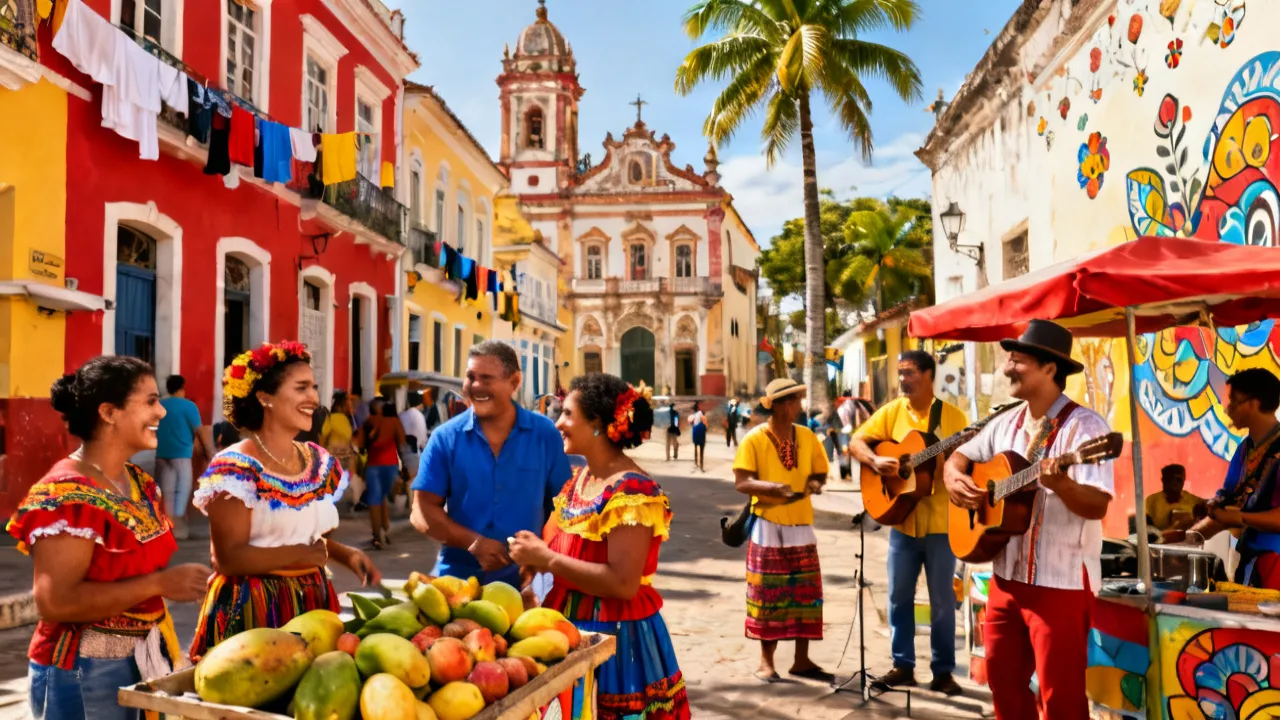
Discovering Sorridente Salvador
Located in Brazil, Salvador, also known as "Sorridente Salvador," offers a blend of rich cultural heritage, vibrant festivities, and charming smiles of its locals. Known for its historic architecture, music, and cuisine, this city captivates visitors with its unique charm. This guide explores the essence of Salvador's appeal, highlighting its cultural and historical significance.
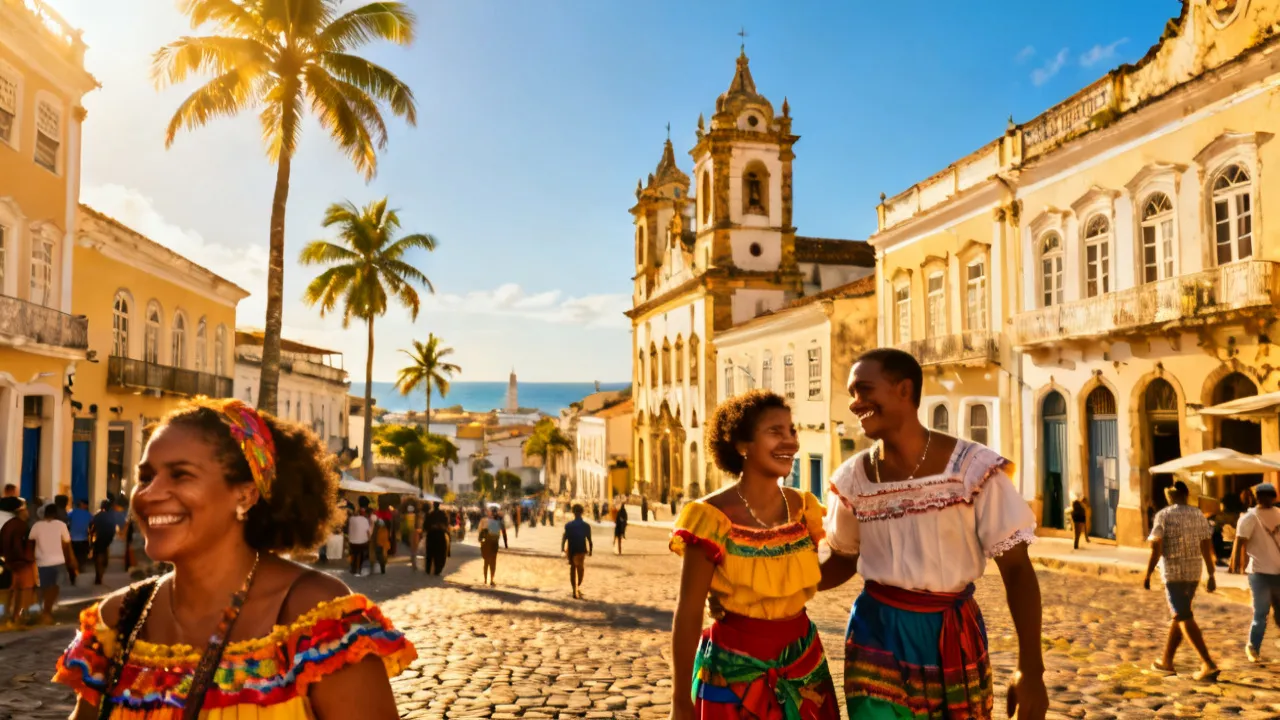
Welcome to Sorridente Salvador
Salvador, affectionately referred to as "Sorridente Salvador," is a vibrant city in Brazil known for its smiling residents and lively atmosphere. It is not just a city, but a cultural paradigm that showcases the dynamism of its people and their traditions. Nestled along the coast, Salvador is famed for its stunning architecture, colorful markets, cultural festivals, and delectable seafood. Whether you're a history buff, a music enthusiast, or a lover of food, Salvador offers a rich tapestry of experiences that captivate and enthrall. This article delves into what makes Salvador a truly unique destination, embracing its cultural, historical, and social facets with in-depth exploration.
Cultural Heritage of Salvador
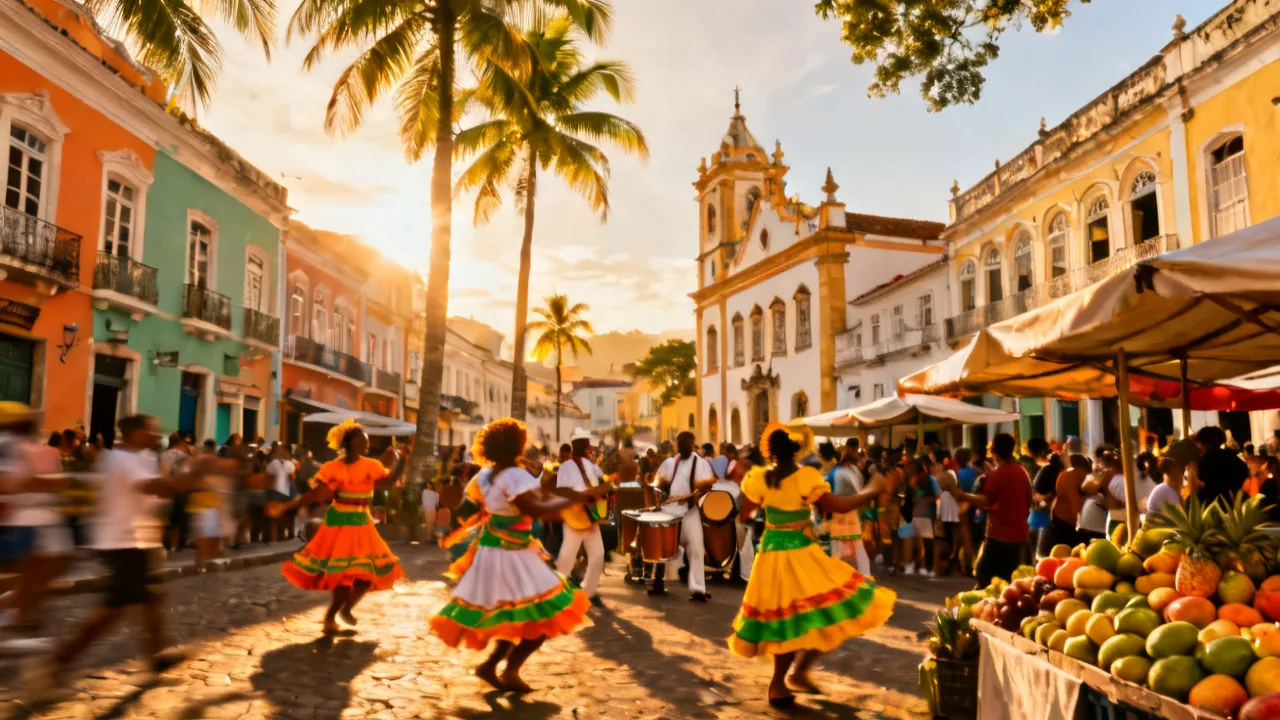
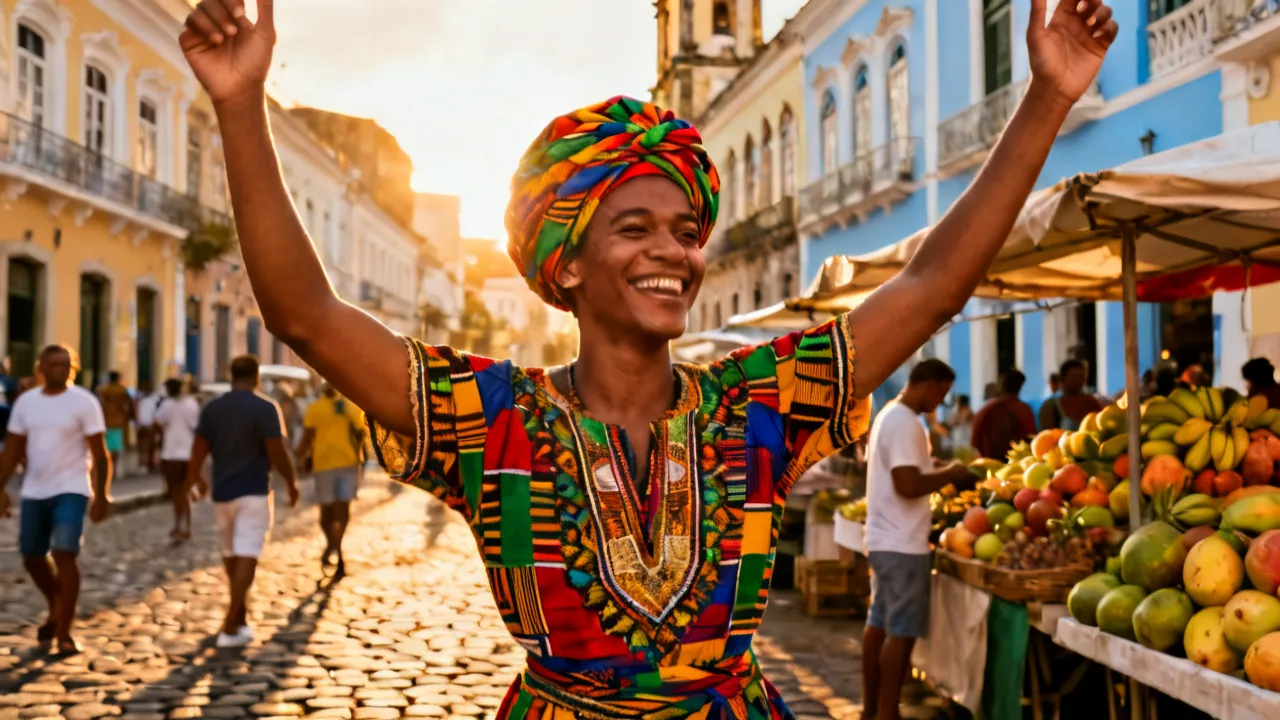
Salvador is the capital of the Bahia state, and it boasts a rich Afro-Brazilian heritage that sets it apart from other Brazilian cities. This cultural blend is evident in the city's traditional dances, music, and religion, creating a unique identity that reflects its diverse roots. The rhythmic sounds of samba and Axé music echo through the streets, captivating both tourists and locals alike, often accompanied by lively dancers and street performers, creating an atmosphere that invites participation and enjoyment.
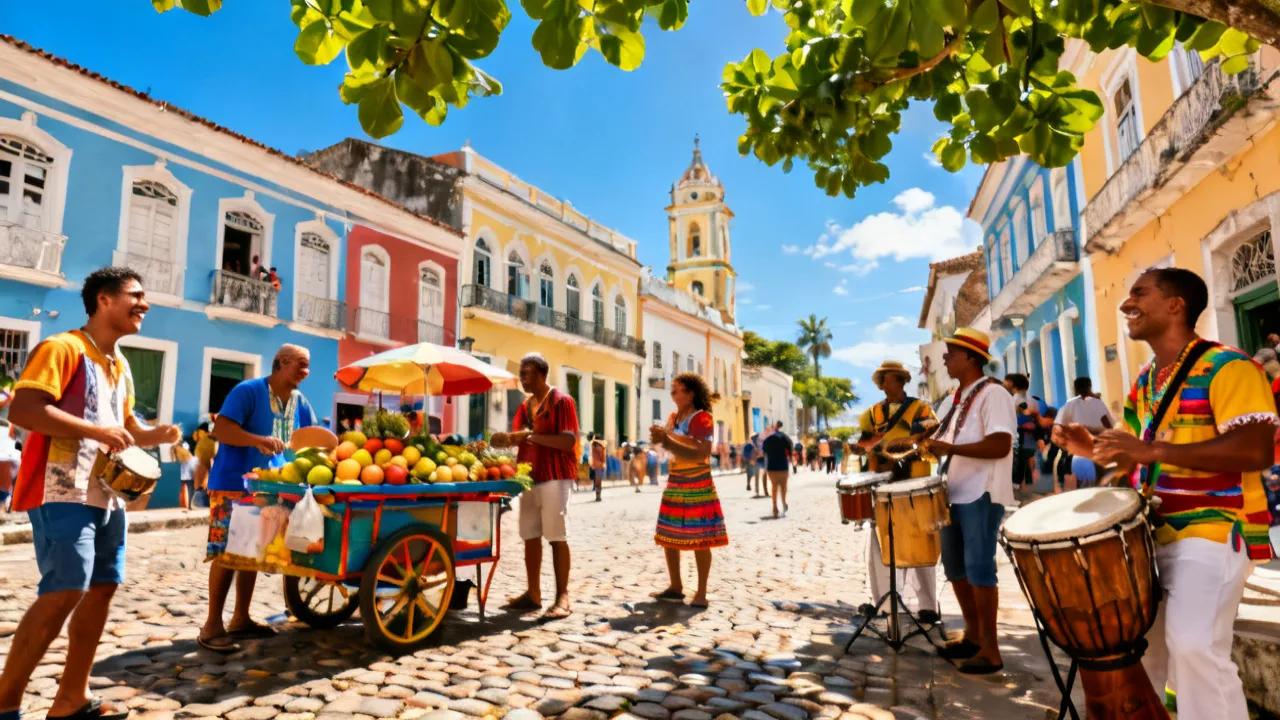
The historic Pelourinho district, a UNESCO World Heritage site, is a testament to the city's colonial past, featuring colorful buildings and cobblestone streets that transport visitors back in time. Pelourinho is not only an architectural gem; it is also a living canvas where artists showcase their talents, reflecting the city's dynamism. The blend of colonial structures and modern art installations creates a visual feast that tells the story of Salvador's history and its vibrant present.
Moreover, the religious practices in Salvador add another layer to its cultural heritage. Candomblé, an Afro-Brazilian religion that worships African deities, is deeply embedded in the city's cultural identity. The vibrant rituals, music, and dance associated with Candomblé connect the spiritual to the cultural, creating a milieu where religion and artistic expression coexist harmoniously. Visitors often have the opportunity to witness these rituals, providing a deeper understanding of the community’s values and traditions.
Festivals and Celebrations
One of the highlights of visiting Salvador is experiencing its vibrant festivals. Carnival in Salvador is a massive street party, rivalling even the famous Rio Carnival. The Bahian Carnival is unique, featuring Axé music and hundreds of block parties, or 'blocos', celebrating everything from traditional Afro-Brazilian heritage to contemporary themes. Unlike the more commercialized version found in Rio, Salvador's carnival is all about community involvement, where everyone is encouraged to participate in the revelry. Street vendors fill the air with the mouthwatering aromas of traditional foods, while musicians invite revelers to dance in the streets.
Beyond Carnival, the city hosts a myriad of festivals throughout the year. The Festival da Boa Morte is another cultural event celebrating African heritage mixed with Catholic traditions, showcasing the harmonious coexistence of varied cultures. It is marked by solemn processions interspersed with joyous celebrations, emphasizing the dual nature of sorrow and celebration intertwined in the human experience. The festival is a tribute to the women of the sisterhood of the Good Death, who were the guardians of the traditions that shaped Salvador's rich cultural tapestry.
The January Festival dedicated to Yemanjá, the goddess of the sea, is another spectacle that captivates both locals and tourists. On the eve of the festival, thousands gather at the beach, wearing white clothing as a sign of respect. Colorful offerings, including flowers and food, are launched into the sea as prayers are made, creating a beautiful spectacle of spirituality and community togetherness under the moonlight.
Gastronomy: A Taste of Bahia
Salvador's cuisine is a melting pot of flavors, influenced by African, Portuguese, and indigenous traditions, making it one of the most diverse food cultures in the world. Acarajé, a popular street food made with black-eyed peas and filled with vatapá (a paste made of bread, shrimp, and coconut milk), is a must-try, offering a delightful blend of textures and flavors. Stalls selling acarajé are ubiquitous, where the smell of deep-fried dough mingles with spices, beckoning passersby to indulge.
Moqueca, a delicious seafood stew cooked slowly in coconut milk and dendê oil (palm oil), highlights the coastal resources of Bahia. Each family may have their secret recipe, passed down through generations, which adds to the complexity of the dish. Restaurants and eateries often pride themselves on serving unique variations of moqueca, with fish or shrimp and a variety of vegetables, infused with spices that tantalize the palate.
Beyond these flagship dishes, Salvador also boasts an array of savory snacks and desserts. The sweet treat of cocada, made from coconut and sugar, serves as a delightful ending to any meal. In addition to traditional Brazilian desserts, influences from Africa, such as the sweet and dense cake called "bolo de aipim," made from cassava, reflect the historical journey of the region's culinary evolution.
Food in Salvador is not just a meal; it’s an experience, deeply connected to the city’s cultural roots. Many restaurants incorporate music and dance into their dining experiences, inviting guests to immerse themselves in the culture while enjoying every bite. Culinary classes that teach the art of Brazilian cooking are widely available, allowing visitors to bring a piece of Salvador's rich gastronomy back home.
Exploring the Historic Pelourinho
The Pelourinho district is the cultural heart of Salvador, often described as an open-air museum. Known for its well-preserved colonial architecture, the district serves as a backdrop for an array of museums, churches, and cultural centers. Walking through its streets, visitors can explore landmarks such as the São Francisco Church and Convent, noted for its baroque architecture and intricately tiled interiors adorned with gold leaf. The church’s grandeur juxtaposed against the humble street scene captures the essence of Salvador—rich in history and community spirit.
The vibrant street arts and frequent cultural performances make it an ever-lively area. Artists set up their stalls selling paintings and handmade crafts, often stopping to engage with visitors, sharing stories of their work and inspiration. The sounds of live music resonate through the cobblestone streets, as performers showcase Afro-Brazilian rhythms that invite passersby to stop, listen, and join in the dance.
Additionally, Pelourinho is home to various museums, such as the Museu de Arte da Bahia, which exhibits fine artworks from the colonial period to contemporary pieces. The museum provides insights into the intersection of art and history in Salvador, showcasing how cultural influences have shaped the artistic landscape of the region over centuries. Exploring these institutions enhances understanding and appreciation for the intricate narratives that weave through Salvador's past and present.
Integration of Local Customs and Traditions
Salvador is a city that takes pride in preserving its traditions, which is evident in its daily life and interactions. Capoeira, a form of martial art mixed with dance, is both a spectacle and a tradition that reflects the community's spirit and resilience. Often performed in public squares, capoeiristas engage in intricate movements that blend acrobatics, martial arts, and music, captivating audiences. Watching a capoeira performance provides an understanding of how this martial art is both a physical and cultural expression for its practitioners, transmitted through generations as a form of resistance and identity.
The Baianas, women clad in traditional white dresses, selling acarajé on street corners, symbolize the city's connection to its African roots. Their presence is iconic and deeply ingrained in the city’s identity; they are not merely vendors but custodians of a cultural heritage that they pass down through stories and recipes. Engaging with a Baiana not only provides a taste of Salvador's culinary delights but also an opportunity to learn about the historical significance of the food and its connection to the African diaspora.
Moreover, religious festivities often showcase the integration of Afro-Brazilian and Christian traditions, where rituals from Candomblé are celebrated alongside Catholic holidays. Festivals showcase costumes, music, and rituals that intertwine both practices, offering a vibrant display of identity and cultural pride. This blend of influences in ceremonies serves as a reminder of the rich history and the ongoing dialogue between various cultural expressions within Salvador’s community.
Immersive Experiences in Salvador
Participating in local workshops and cultural experiences can deeply enhance your journey through Salvador. Various organizations offer hands-on activities that allow visitors to immerse themselves in the arts, cuisine, and traditions of the city. For example, samba classes provide an opportunity to learn the energetic and rhythmic movements of this iconic dance. Instructors often share stories of samba's origins and significance in Brazilian culture, making it both a physical and educational experience.
Similarly, cooking classes led by local chefs open up the culinary world of Salvador, where participants can learn to prepare traditional dishes while gaining insights into the history and significance of each ingredient. These interactive sessions offer a deeper connection to the culture, as participants leave with not just new skills but also a greater appreciation for the culinary journey that defines Salvador. The experience becomes about family, storytelling, and celebrating food as a symbol of cultural identity.
Natural Beauties: Beaches and Nature
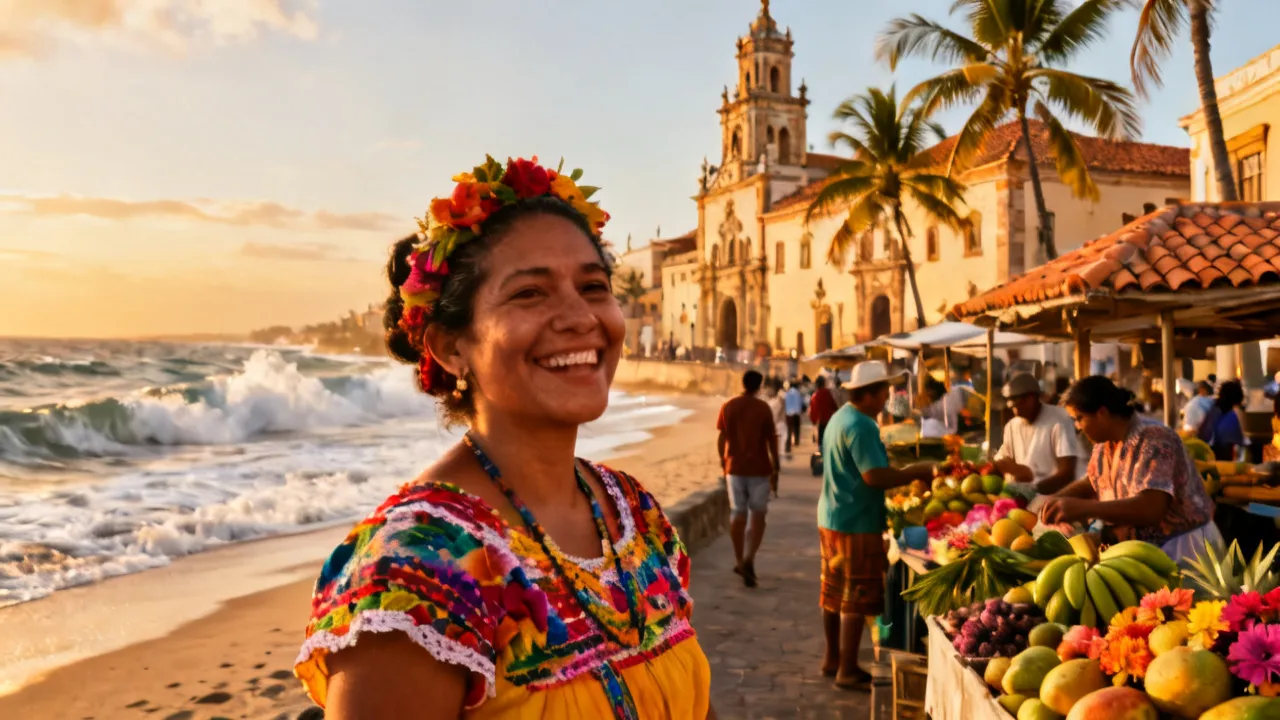
Beyond its cultural richness, Salvador is blessed with stunning natural landscapes that invite exploration. The city’s coastline is dotted with beautiful beaches, each offering a unique ambiance and charm. Praia do Forte, with its clear waters and coral reefs, is a favorite for families and snorkeling enthusiasts, while Porto da Barra Beach is beloved for its sunset views and lively atmosphere.
Further afield, the stunning Chapada Diamantina National Park is a wilderness treasured by hiking enthusiasts. This vast area is known for its dramatic landscapes, featuring waterfalls, rivers, and breathtaking mountain views. Adventurers can embark on multi-day hikes that showcase the park's flora and fauna while exploring caves and swimming in natural pools. The unspoiled beauty of Chapada Diamantina provides a stark contrast to the lively energy of Salvador, offering visitors a chance to connect with nature’s serenity.
Moreover, the nearby island of Itaparica is accessible by ferry and offers a day-trip option for those wanting to escape the city. With its charming villages, beautiful beaches, and tranquil environment, it’s an excellent place to unwind and appreciate the coastal beauty of Bahia. Visitors can enjoy fresh seafood in local restaurants, swim in the warm waters, and take leisurely walks along the beaches, soaking in the sun and the peaceful surroundings.
Shopping in Salvador: A Cultural Marketplace
For those looking to take a piece of Salvador home with them, the city offers vibrant markets and shopping districts where local artisans display their handmade crafts. Mercado Modelo is a famous market located near the waterfront, where visitors can find a treasure trove of local handicrafts, such as pottery, jewelry, and textiles. The atmosphere is lively, with locals and tourists mingling, bargaining, and sharing stories. Here, you can experience the vibrant colors of Bahia in the form of artisanal products, making it a perfect place to acquire unique souvenirs.
Additionally, the neighborhood of Rio Vermelho is known for its hip and artistic vibe, featuring boutique shops, galleries, and street art. Exploring the streets of Rio Vermelho immerses visitors in the creative energy of Salvador. Many artists and designers showcase their work, providing an opportunity not only to purchase pieces of art but also to engage directly with the creators and learn about their inspirations. Street art is an integral part of the neighborhood, telling stories and reflecting the city’s cultural landscape through vibrant colors and striking visuals.
FAQs about Sorridente Salvador
- What makes Salvador unique? The city's blend of African traditions, colonial history, stunning architecture, and vibrant street life create a unique cultural milieu that is different from other cities in Brazil.
- When is the best time to visit? The best time to visit is during the summer months, especially February for Carnival, when the city explodes with energy, colors, and festivities, allowing you to experience its full vibrancy.
- Is Salvador safe for tourists? Like any city, tourists should exercise caution, particularly in less-developed areas. However, the main tourist zones are generally safe, and locals are usually welcoming and friendly towards visitors.
- What is Salvador's culinary highlight? Dishes like acarajé and moqueca are not to be missed for a true taste of Bahia, but don’t forget to explore other culinary delights, including street snacks and desserts.
Conclusion: Embracing the Joy of Salvador
In essence, Salvador is more than just a city; it is a celebration of life. Its historical richness, cultural vibrance, and the warmth of its people make it a destination that leaves an indelible mark on its visitors. Sorridente Salvador, with its cheerful greetings and mesmerizing rhythms, calls out not only to be explored but to be embraced as a journey of cultural enlightenment and joyous discovery. The vibrant streets filled with laughter, the blending of old and new, and the harmonious coexistence of traditions is an experience that inspires and uplifts.
Whether you find delight in its sunlit beaches, the stunning architecture of its historic streets, or in the hearty laughter shared over a street-side meal, Salvador is a city where every moment feels like a warm embrace. It invites not just exploration, but immersion into its rich patchwork of life and culture. Salvador remains eternally relevant, a space where stories are both lived and told, each corner revealing a new layer of the city’s character, inviting you to dance to its rhythm and smile along with its people.
-

A Guide to Cost-Efficient Small Electric Cars for Seniors
-
Mastering Debt Consolidation: Boost Your Credit Score and Manage Interest Rates
-
Your Guide to Loans, Credit Checks, and Interest Rates
-
Affordable Independent Living: Finding the Right Senior Housing
-
Guide to Senior Living Apartments: Affordable and Comfortable Environments