XVino Buying Guide: Selection, Pricing, and Sources
This guide explains how to evaluate XVino when you compare pricing, supplier reliability, and product fit. XVino is a term used to describe a wine-focused experience and a branded assortment in many retail contexts. The guide outlines objective selection criteria, purchasing conditions, and practical checks for provenance, storage, and expected style profiles.
Immediate Takeaways: How to Choose XVino Without Guesswork
When shopping for XVino, the smartest starting point is to compare price alongside three objective factors: supplier credibility, provenance clarity, and storage/handling suitability. Even when two listings show similar costs, differences in sourcing documentation, shipping method, and batch labeling can materially change what you actually receive. Use the steps later in this article to verify those elements before placing an order.
In practice, “without guesswork” means you avoid decisions based on vibes, generic product descriptions, or vague claims like “premium selection” or “authentic European import.” Instead, you demand enough verifiable information to confirm that the bottle you’re about to buy is the bottle you think it is. When the listing is missing critical details, you treat that as a measurable risk—then you either ask for clarification or choose a different seller.
What “XVino” Typically Represents in Wine Purchases
XVino is commonly used in retail and merchandising contexts to label a wine product line or a wine-selection program. Depending on the marketplace, it may refer to a specific bottling, a curated assortment, or a store-branded offering. Because the term can function differently across suppliers, the very reliable approach is to treat “XVino” as a product identity that must be confirmed via label details (producer name, region statement, vintage, bottling code) rather than assuming uniform meaning across platforms.
It helps to think of XVino as a “front label” concept, similar to how some retailers have house styles or seasonal “curated” collections. Two sellers can both write “XVino” on their storefront, but one could be offering a specific producer’s wine under a branded program, while another could be offering an assortment that includes multiple wines with distinct origins and vintages. If you treat “XVino” as a guarantee of identical content across vendors, you can end up disappointed—even when both vendors are acting in good faith.
From an industry perspective, buyers often get the top outcomes when they evaluate wines as two layers: (1) the liquid—grape, region, aging style, vintage, and sensory profile—and (2) the supply chain—how the wine was procured, stored, and transported. XVino falls into that same framework: you are not only buying a bottle; you are buying the reliability of the entire chain of custody.
That chain-of-custody view also explains why two bottles with similar “type” descriptions can taste different. Even when the producer is the same, temperature swings, prolonged storage in warm conditions, or excessive time in transit can subtly affect perceived freshness, aromatic clarity, and overall balance. Your goal is to minimize the unknowns by choosing listings where the supplier’s operational approach is visible.
Pricing: What “Price” Can Reveal—and What It Usually Can’t
Price is useful, but it’s not a complete proxy for quality. With XVino, listings at different price points may reflect differences such as:
- Vintage and aging approach (newer releases and different maturation methods can shift price)
- Bottle size (standard 750ml vs. other formats)
- Distributor margin and shipping costs (especially where cold-chain or careful handling is emphasized)
- Provenance and documentation depth (more transparent suppliers often justify their costs through better traceability)
However, price can be distorted by promotion cycles, channel effects, and bundled offers. For that reason, use price to narrow options, then rely on label facts and supplier practices to finalize the decision.
To make “price comparison” genuinely useful, you want to compare the same unit of value. For example, do not just compare the sticker price per bottle—compare:
- Total landed cost (including shipping and any taxes)
- Unit volume (750ml vs. larger formats can change the effective cost per liter)
- Batch specificity (some listings specify lot numbers; others do not)
- Return risk (a slightly higher price might be worth it if returns for damaged goods are easy)
Also watch for “deal compression,” where a low price appears attractive but the supplier relies on an inexpensive fulfillment model (less careful packaging, longer carrier timelines, or minimal storage assurances). If you’re buying for an event, a low price with unclear handling can turn into a practical loss if the wine arrives compromised or you need to fight for replacement.
Supplier Details: The Credibility Signal Hidden in Plain Sight
When evaluating XVino, pay close attention to supplier details such as: the trading name behind the listing, the stated producer or importer, and the clarity of labeling (including any importer statement required by local regulations). In many markets, credible suppliers disclose who imported the wine, how it’s packaged, and what quality controls they apply.
Supplier credibility is often underestimated because many shoppers focus only on the bottle description. Yet the supplier is the party managing your delivery and controlling (at least partially) the conditions after arrival at their facility. Even if the producer is excellent, a supplier that handles wine like shelf-stable groceries can cause quality degradation that you will taste later.
As a practical rule, you want suppliers who provide:
- Clear identity: legal entity or consistent business name
- Traceability cues: batch or lot references, vintage clarity, and label accuracy
- Handling commitments: shipping instructions, temperature awareness, and storage recommendations
- Customer-facing transparency: straightforward return policies and product-condition statements
Beyond those bullets, credibility also appears in the “boring details”:
- Do they show photos of the actual bottle and label (not just stock images from a generic listing)?
- Do they mention whether the wine will ship in sealed protective packaging and whether breakage protection is included?
- Do they provide a clear ship-by or delivery window instead of vague promises?
- Do they specify whether the wine is stored in temperature-managed conditions (especially in warm seasons)?
If a supplier refuses to provide basic handling or returns information, that reluctance often correlates with a higher chance of friction if something goes wrong. And wine purchases are exactly the type of transaction where “friction” matters, because damaged or incorrect bottles can’t always be resolved by re-tasting—you need replacements.
How to Read XVino Labels Like an Expert
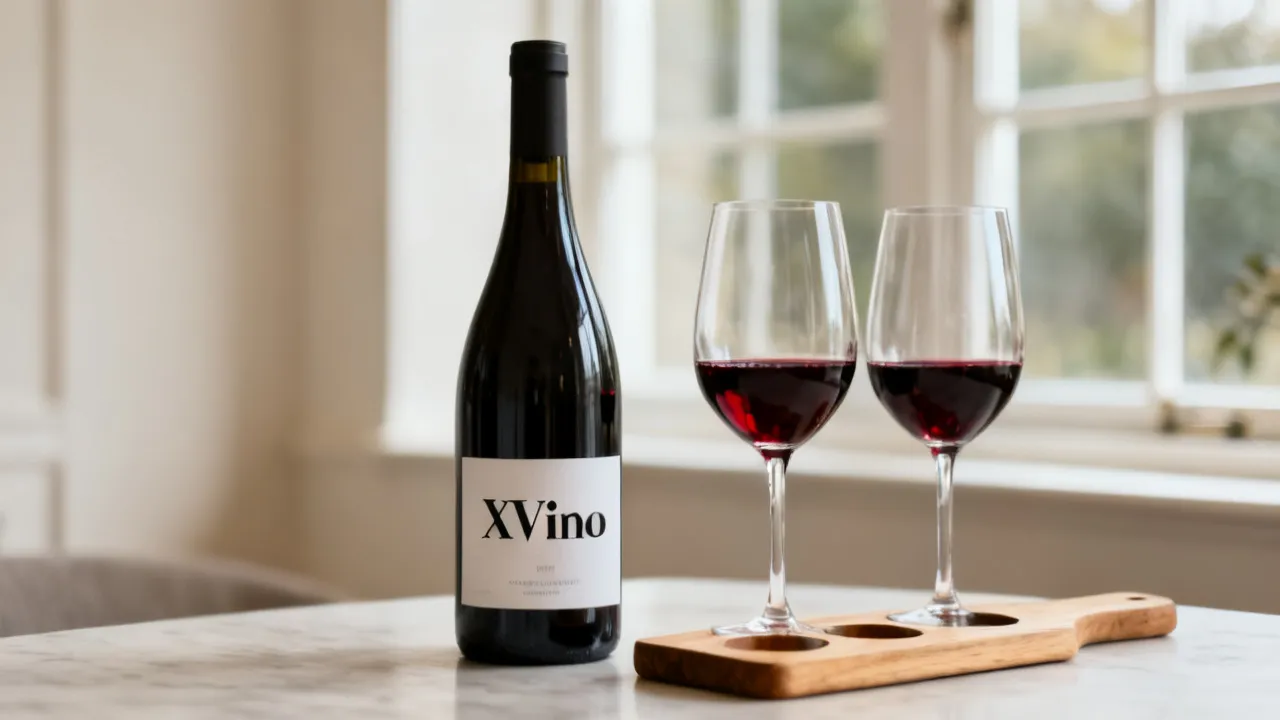
An expert approach begins with the label, because it often contains the very verifiable information about the wine inside the bottle. For XVino, look for:
- Producer / bottler: name and location (where available)
- Region or origin statement: can indicate the style and regulatory standards
- Vintage: helps you understand how the wine might taste relative to its year
- Alcohol by volume: informs body and potential food pairing
- Volume and closure: bottle size and cork/closure type can affect aging expectations
If an XVino listing provides only a marketing description while omitting key label facts, treat that as a risk signal. You may still find a pleasant wine, but you’ll be making a more subjective purchase with less ability to verify what you’re receiving.
To read a wine label like a “verification-first” shopper, consider these additional checks:
- Importer statement: In many regions, there’s an importer name/address on the label or neck label. That detail can help validate authenticity and compliance.
- Lot/batch code: Some wines include lot or bottling codes. If the listing references these codes, it increases certainty that you’ll get the intended bottle.
- Classification and origin designation: If the label includes a protected designation of origin (or a region naming standard), that can indicate regulatory frameworks that often map to certain style expectations.
- Technical specifics: Sometimes you’ll see residual sugar, varietal statement, or aging terminology. Not all labels provide all data, but when present, it’s useful for prediction.
- Consistency signals: Compare the label facts across photos and descriptions. If the listing says “2019” but photos show “2020,” that’s a red flag.
Another expert behavior is to interpret labels in context. A “vintage” is not just a year; it often signals climatic conditions and typical ripeness levels. If a listing’s stated vintage matches the label, your next step is to imagine the likely flavor direction based on the region and producer style—then decide if that aligns with your palate.
Finally, remember that XVino might include different sub-products. If a platform rotates inventory, a single “XVino” product page could show one bottle image but actually ship another within a “selection” program. Checking for batch and photo verification is the best defense against that scenario.
Quality Is a Supply-Chain Story: Storage and Shipping Considerations
Even a well-made bottle can disappoint if it was mishandled. When buying XVino, consider how the supplier handles:
- Temperature stability during warehousing and transit
- Light exposure (UV can negatively affect wine)
- Packaging quality (secure cushioning reduces agitation and break risk)
- Time-to-delivery for sensitive shipments
For objective evaluation, choose suppliers who clearly communicate packaging practices and storage guidance. In practice, this is where “supplier credibility” becomes tangible—not through claims of perfection, but through consistent operational details.
Wine is particularly sensitive to environmental conditions compared to many other beverages. When you buy XVino, you’re essentially making a bet on how stable the wine’s conditions remain between the warehouse and your home. This bet is smaller when:
- Shipping is fast and predictable (short transit time reduces exposure)
- The supplier uses protective packaging that buffers the bottle from shocks and temperature changes
- There are storage controls at the supplier’s facility
- There is clear communication about how the wine is packed
To sharpen your assessment, you can evaluate the listing for “handling evidence.” For example:
- Does the supplier describe insulated packaging for warm weather?
- Do they indicate whether the order will ship within a defined window rather than “ships soon”?
- Do they specify the shipping carrier or the general logistics method (ground vs. air, where applicable)?
- Do they provide guidance on what to do if the bottle arrives warm?
Even if you can’t fully verify cold-chain capability, you can detect whether the supplier is actively managing risk. Suppliers who treat wine properly tend to provide actionable statements. Suppliers who don’t may only present broad promises with no operational detail.
Storage after arrival also matters. Once you receive XVino, store it using stable conditions—typically a cool, dark place with minimal vibration and consistent temperature. Avoid leaving wine in direct sun or in hot car trunks “for later.” These habits sound basic, but they influence taste outcomes more than many people expect.
Choosing the Right XVino Style for Your Palate
Because XVino may represent different wines across suppliers, you should match selection to your preferences. Consider how you like wine to taste:
- If you prefer crisp freshness, prioritize lighter styles and wines described with higher acidity and clean fruit notes.
- If you prefer round and structured profiles, look for wines with more body and fuller mouthfeel indications.
- If you enjoy oak influence or deeper savory complexity, check for aging or maturation descriptors on the label or credible product notes.
Objective tip: compare sensory language used by the supplier with what the label implies (region, vintage, and aging cues). When those align, the listing is more likely to be reliable.
To go beyond “style matching,” you can use a simple tasting framework that you apply consistently. For example, before you buy, decide what you want most:
- Aromatics (fresh fruit, floral notes, spicy notes, earthy tones)
- Structure (tannin level, acidity, alcohol warmth)
- Flavor direction (lean vs. rich; bright vs. savory; fruit-forward vs. integrated spice)
- Finish (short and crisp vs. long and layered)
Then read the label and description to see if the supplier’s claims map to your target. If the label suggests a high-acid profile and the supplier describes it as “crisp and bright,” you’re aligned. If the label indicates an oak program and the supplier describes it as “light and un-oaked,” something is inconsistent.
Also consider how you plan to enjoy the bottle:
- Immediate drinking: Freshness and balance matter most. Choose listings that emphasize current release and good handling.
- Occasional pairing: Match acidity and flavor density to food. Alcohol % and varietal cues on the label help here.
- Aging or cellaring: You’ll need more specific information about style and maturation, not just a program name like XVino.
Finally, don’t ignore personal preferences that are not “wine-trivia.” Some people prefer wines with higher natural sweetness perception; others dislike heavy oak; others want very low tannin. A structured matching process reduces regret, especially when the product name XVino varies across platforms.
Comparison Table (Supplement): What to Check Before You Buy
The table below contrasts common buying scenarios for XVino. It is designed to help you decide what to verify rather than to claim universal outcomes.
| Buying Scenario | What You Should Verify | Why It Matters |
|---|---|---|
| XVino listing with full label details | Producer/bottler, origin statement, vintage, volume, alcohol %, closure | Supports traceability and sets expectations for taste profile |
| XVino listing with limited label detail | Batch/lot info, importer statement, and clear product photos | Reduces the risk of mismatched bottlings or incomplete provenance |
| XVino price is significantly lower than peers | Shipping terms, packaging, delivery timing, return conditions | Lower price can reflect channel differences or handling constraints |
| Supplier describes handling practices | Temperature-aware shipping methods and storage recommendations | Improves the odds that quality remains consistent through transit |
| Supplier provides transparent policies | Return/refund procedure for damaged or incorrect bottles | Creates practical protection if the order doesn’t match the listing |
To make the table even more actionable, you can treat each verification item as a “stoplight.” If the listing is green (clear and consistent), proceed. If it’s yellow (partly missing or unclear), you can ask for more information. If it’s red (contradictions or missing verifiable facts), consider skipping—especially if you’re buying more bottles than you’re comfortable replacing.
Source and Evidence Base (Objective Reference Points)
Wine quality and storage impacts are widely discussed in enology literature and by trade organizations. For factual background on how wine is affected by temperature, light, and handling, readers can consult:
- International Organisation of Vine and Wine (OIV) reports and technical documents (search the OIV library for enology and wine handling guidance).
- Reputable wine industry publications that cite peer-reviewed or trade-tested practices for storage and logistics.
For market behavior (e.g., consumer spending shifts and e-commerce growth), rely on official research from national statistics bodies and recognized industry analysts rather than unverified forum claims.
Why does this matter for buying XVino? Because the “supply chain story” is not just a marketing idea. Wine chemistry can be affected by oxygen exposure, heat, light-driven degradation, and repeated temperature cycling. When you choose suppliers who provide handling clarity, you’re indirectly aligning with evidence-based practices used in the industry.
In addition to scientific and technical references, a practical evidence base includes your own historical experience. If you consistently buy from the same supplier and you find their shipments arrive in good condition, that’s data. If you repeatedly encounter issues with a supplier’s packaging or delayed delivery, that pattern is also evidence.
When you combine external knowledge (industry guidance) with personal consumption data (your own tasting outcomes and shipment experiences), you get a stronger, more reliable decision-making system than relying on any one factor.
Step-by-Step Guide: Buying XVino With Clear Conditions
Use the following process when selecting XVino, especially if you’re choosing among multiple suppliers with different price points:
- Confirm product identity from label facts: Producer/bottler, region/origin statement, vintage, and volume should be visible or explicitly stated.
- Match your taste goal: pick a style direction (fresh, structured, oak-influenced, or otherwise) based on label and credible notes.
- Compare price on a like-for-like basis: verify bottle size and whether shipping and taxes are included.
- Assess supplier credibility: check consistency of business identity, presence of importer/batch information, and clarity of product pages.
- Review packaging and shipping practices: ensure the supplier indicates careful handling and realistic delivery timelines.
- Check returns and damage conditions: you want a straightforward process if the bottle arrives broken or incorrect.
- Plan storage after arrival: follow standard wine storage principles—stable temperature, limited light exposure, and proper bottle positioning as recommended by the supplier.
- Keep your evaluation notes: after tasting, record key perceptions; this improves future XVino selections and prevents repeat mismatches.
To apply this step-by-step system effectively, you should also decide in advance what you will do if a key detail is missing. For example: if the listing omits vintage but shows a generic “new release” note, will you wait for a reply from the seller? Or will you consider it a no-go? Having a rule prevents you from drifting into guesswork when you’re excited about a deal.
Another practical upgrade is to keep a short “shopping dossier” for each XVino selection. For each bottle, write down the label facts you confirmed (vintage, origin, producer/bottler, alcohol %, closure). When the bottle arrives, you can compare what you received against your dossier. If something doesn’t match, you can resolve issues faster because you have specific reference points.
Finally, timing matters. If you’re buying for a specific date, choose a supplier with predictable shipping rather than relying on a general promise. Wine can be a “calendar-sensitive” gift because you can’t easily plan a replacement if shipping goes late.
Conditions and Requirements (Practical Buyer Checklist)
To minimize risk when purchasing XVino, you should meet these conditions:
- Label transparency: the listing must correspond to the bottle’s visible label details (or provide accurate written equivalents).
- Provenance clarity: supplier should indicate importer or bottler identity where applicable.
- Packaging adequacy: the order should use protective materials suitable for fragile glass goods.
- Temperature-aware logistics: especially important during warm seasons or for long transit routes.
- Clear policy terms: returns for damaged/incorrect items and customer support responsiveness.
Here are additional checklist items you can add to strengthen your evaluation, especially if you’re buying multiple bottles or a mixed case:
- Consistency of photos: verify the label is legible and that key facts match the description.
- Batch/lot specificity: if the wine is part of a selection program, ask whether you’ll receive a specific lot or a rotating batch.
- Carton condition and labeling: if the supplier ships in original cases with labels intact, that often indicates better traceability.
- Communication channel: confirm how you can reach customer support and whether they respond quickly.
These items are not about nitpicking—they’re about reducing the probability of mismatch. Wine satisfaction depends on both your palate and your expectations. When the supplier doesn’t provide enough traceability, your expectations become fuzzy. Your taste becomes the only variable, and that’s when regret is more likely.
Expert Considerations: Where Buyers Very Often Go Wrong
Even attentive shoppers can make predictable mistakes. Here are the very common issues I see when customers compare XVino across suppliers:
- Overreliance on price: a lower figure can hide differences in shipping terms, bottle size, or batch identity.
- Ignoring importer statements: these help confirm authenticity and compliance for the market.
- Not accounting for delivery conditions: a wine that sits too long in heat can suffer even before it reaches your home.
- Expecting identical taste across “same-name” listings: if “XVino” is used by multiple sellers for different sub-products, the wine in the bottle may vary.
To make these “mistakes” actionable, consider the chain reaction they cause. For example, if you over-rely on price, you may choose a supplier with slower fulfillment. Slow fulfillment increases time in transit. Time in transit increases heat exposure, especially in summer. Increased heat exposure can reduce aromatic freshness and soften acidity. When you taste the wine, you might blame the producer—but the damage happened in the supply chain. That’s why your purchase should always be based on verifiable evidence about storage and shipping.
Another common error is the “description trap.” Some listings provide beautiful lifestyle copy but omit technical details. Even if the wine is good, the lack of label-based confirmation means you can’t reliably reproduce your purchase later. If you plan to buy more bottles of the same XVino selection, inconsistency becomes a recurring issue.
Buyers also often skip return-condition review. Damaged-bottle policies might differ drastically. A seller might offer returns, but only after a complicated process. Or they might require photos within a short window. If you never read the policy, you can find yourself constrained when a break occurs. Because wine glass breaks—not always, but often enough—policy awareness is a basic protective step.
Finally, people sometimes confuse “wine suitability for aging” with “it’s expensive, so it should improve.” That’s not automatically true. Some wines improve, some decline, and many are best consumed young depending on style and maturation. For XVino, unless the listing provides meaningful style information and vintage context, you should treat aging outcomes as uncertain and focus on immediate enjoyment unless you have a reliable reason to cellar.
Frequently Asked Questions (FAQs) About XVino
1) What is XVino, exactly?
XVino commonly functions as a wine product label or a branded wine selection in retail contexts. Because it can vary by supplier, confirm the bottle identity through producer/bottler, region/origin statement, vintage, and volume details.
2) How should I compare XVino price across suppliers?
Compare like-for-like: verify bottle size, whether shipping and taxes are included, and confirm that the label details (vintage and origin) match the listing description.
3) Are supplier details important for XVino?
Yes. Credible suppliers provide traceability cues (importer/batch information where relevant) and clear product-condition policies. This reduces the chance of mismatched bottlings or preventable quality loss.
4) What shipping or storage factors affect XVino quality?
Temperature stability, light exposure, and packaging protection are key. After delivery, store bottles in a stable, cool environment with minimal light and follow any supplier-specific storage guidance.
5) What should I do if my XVino order arrives damaged?
Follow the supplier’s return or replacement conditions immediately. Document the damage with photos and keep packaging materials, since many processes require visual proof and item traceability.
6) How can I tell whether an XVino listing is complete or vague?
A complete listing includes verifiable label facts (origin/region, vintage, producer/bottler, volume, alcohol %). Vague listings often provide only broad marketing descriptions without matching key label identifiers.
7) Can I buy XVino for aging?
Whether XVino is suitable for aging depends on the specific wine’s style, vintage, and maturation approach. Use label information and trusted supplier notes, then consider your storage conditions. If the listing does not provide meaningful aging-related details, treat good aging as uncertain.
8) Do I need special tools to enjoy XVino?
No. Standard glassware and basic tasting habits (pouring temperature appropriate to style, taking aroma notes, and mindful pairing) can enhance the experience. The biggest driver is selecting the right wine style for your preferences.
9) What if the XVino listing says “selection” but doesn’t specify which bottle I’ll get?
If a XVino page describes an assortment or rotating selection, treat it as a different purchase category. Ask the seller whether you can receive a specific producer/vintage/lot or whether substitutions occur. If substitutions occur, request the latest or most common bottles included. If that information is unavailable, consider reducing the number of bottles you buy so you can test quality without risking a large mismatch.
10) Is closure type (cork vs. screw cap) important for choosing XVino?
Closure can be relevant for aging potential and perceived freshness, but it’s not a single-factor “good or bad” indicator. What matters most is the wine’s overall style and how it’s produced. For your decision, closure type becomes useful when combined with vintage and maturation cues. If the listing provides closure details and you plan to cellar, it can help you plan expectations.
11) How do I know if “XVino” is authentic when the label details are limited online?
If label details are limited, authenticity verification becomes harder. You can reduce uncertainty by requesting clearer photos of the back label/producer/importer statement and by ensuring the seller is transparent about importer or bottler identity. If the seller cannot provide those details, consider choosing another listing where identity is explicit.
12) What should I look for on the back label of XVino?
The back label often contains importer information, bottling details, and sometimes varietal composition or aging descriptors. Look for importer/bottler identity, vintage clarity, and any codes that suggest lot traceability. If the back label is clearly legible (or presented in photos), it supports the kind of verification that reduces “guesswork” purchases.
Conclusion: A Practical Standard for Choosing XVino
To choose XVino effectively, treat price and supplier details as starting signals rather than final proof. By verifying label identity, checking supplier credibility, and confirming shipping/handling conditions, you shift your purchase from guesswork to a repeatable, evidence-aligned decision process. This approach is especially valuable when “XVino” appears across multiple sellers or product variants—because it helps ensure that the bottle you receive matches the bottle you intended to buy.
When you apply this standard consistently, you also build a feedback loop: your taste notes improve your future matching, and your shipment experiences refine your supplier choices. Over time, “XVino shopping” becomes less about searching for a lucky bottle and more about selecting a predictable result. And that’s the real goal—buying with confidence, not hoping that the listing’s story matches what arrives at your door.
-

A Guide to Cost-Efficient Small Electric Cars for Seniors
-
Mastering Debt Consolidation: Boost Your Credit Score and Manage Interest Rates
-
Your Guide to Loans, Credit Checks, and Interest Rates
-
Affordable Independent Living: Finding the Right Senior Housing
-
Guide to Senior Living Apartments: Affordable and Comfortable Environments