
Leonara: How to Choose Quality and Value
This guide explains how Leonara products are evaluated for quality, fit, and good value, while helping you compare suppliers and make practical decisions. Leonara is treated as a brand/category term used by shoppers to signal particular design and material expectations. Objectively, buyers should assess materials, manufacturing consistency, warranty terms, certifications, and customer support.
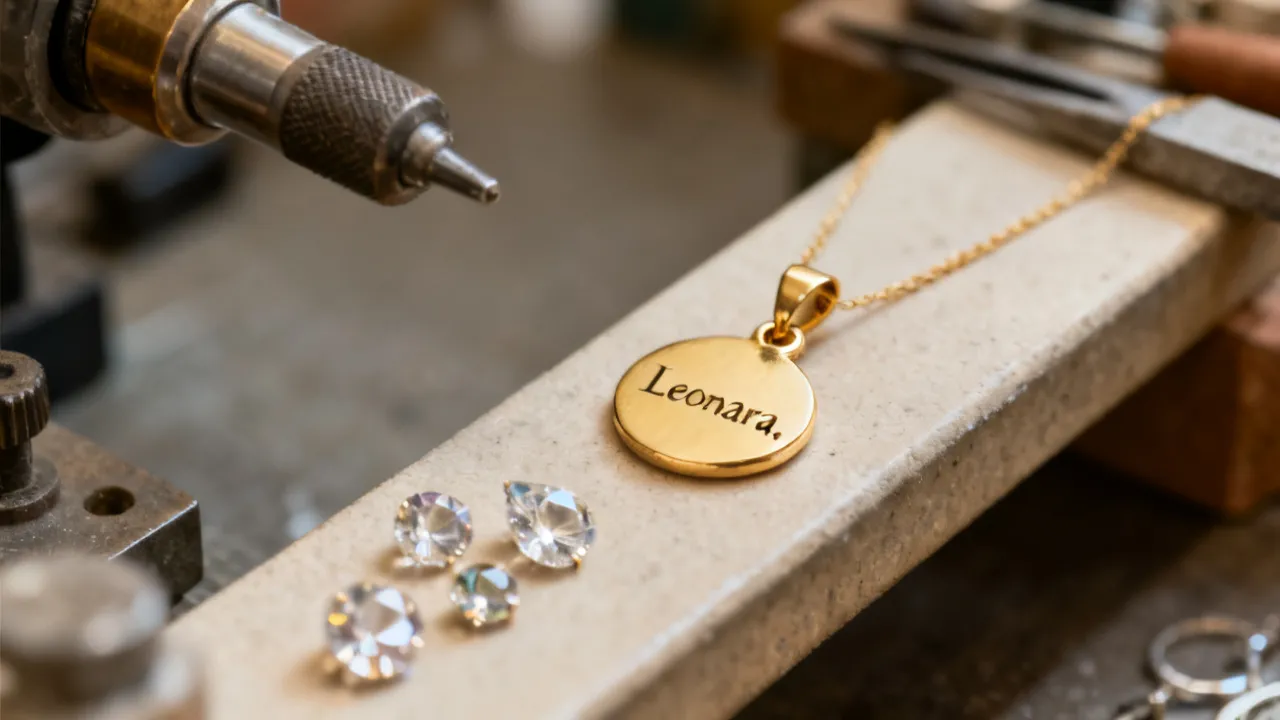
1) Key takeaway first: Leonara choices should start with materials, provenance, and service terms
When shoppers search for Leonara, they are typically trying to locate a product category associated with recognizable styling and dependable construction. A sound way to approach any Leonara purchase is to treat it like an engineering decision: confirm materials, verify manufacturing consistency, understand care requirements, and evaluate after-sales support. If you are comparing options, prioritize the full “value stack”—not only the item’s upfront price.
In practical buying behavior, cost is only one variable. Even if two Leonara offers look similar on the surface, differences in metal quality, stone grade, finish durability, tolerances, and packaging can lead to very different real-world outcomes—things like how quickly a surface dulls, how confidently a closure functions, how evenly a setting holds, and whether the item feels “solid” or “light” during everyday use. For that reason, objective evaluation should consider the supplier’s sourcing practices and what they are willing to document, because documentation is often a proxy for control and accountability.
Another way to think about this: if you cannot verify materials and service terms, you are not really purchasing an item—you are purchasing an assumption. Assumptions can be correct, but they are also what create regret after delivery when the product’s performance doesn’t match expectations.
So, start with what you can measure and verify: stated materials, manufacturing and finishing process descriptions (even if high level), and the rules that govern returns and warranty handling. Once those fundamentals are satisfied, you can let aesthetics do what aesthetics is meant to do—help you choose the design you love.
2) What “Leonara” usually signals to buyers (objective background)
Leonara is commonly used by customers as a shorthand for a particular aesthetic and perceived product standard—often implying a curated look, consistent design language, and a specific expectation about materials and workmanship. However, “Leonara” itself does not automatically guarantee a uniform manufacturing specification across all sellers. Therefore, buyers should interpret the term as a shopping cue, then validate the underlying details.
From an industry perspective, product identity in consumer goods typically has three layers: (1) design intent (style), (2) specification (materials, dimensions, components), and (3) support ecosystem (warranty, authenticity assurance, return policies). Any one of these layers can vary by supplier even if the product name appears the same.
To make this concrete, consider how two listings might both label an item as “Leonara” but differ in ways that affect your day-to-day experience:
- Design intent might match (same general silhouette), but the specification might change (different metal purity or different stone grading approach).
- Specification might be similar on paper, but manufacturing consistency might be weaker at the joins, in the alignment of components, or in how finishing is applied.
- Support ecosystem might differ: one supplier offers easy returns and clear warranty terms; another offers a narrow exchange window or vague defect coverage.
This is why “Leonara” should be treated as an entry point rather than a guarantee. A reliable transaction depends on verifying the specific items you will actually receive.
3) The price question: how to evaluate cost without relying on rumors
Price is relevant, but it must be interpreted carefully. In categories where a brand-like name such as Leonara is used, pricing can shift based on stone composition, metal purity, labor intensity, finishing methods (polish, plating, coating), and compliance documentation. Because you did not provide specific price data or currency for Leonara in your prompt, the very responsible approach is to explain how to interpret price differences rather than invent numbers.
Industry expert recommendation: compare offers using a “unit spec” mindset. Ask: does the lower price reflect a thinner or less durable material, a different stone grading approach, a simplified clasp or fastening system, or fewer quality-control checks?
To evaluate price intelligently, you want to transform the question from “Is this cheap or expensive?” to “What did the supplier likely pay for, and what are they offering in return?” That involves breaking the price into likely cost drivers. Common cost drivers include:
- Material cost: metal purity, gemstone type/grade, and whether stones are synthetic, treated, or natural.
- Processing cost: precision machining, casting/forging methods, and the complexity of the setting or closure mechanism.
- Finishing cost: surface polishing steps, plating quality, and how many passes are done to achieve uniform reflectivity.
- Quality assurance cost: inspection checks for alignment, measurement tolerances, and rejection rates.
- Service cost: warranty coverage strength, return logistics, and support staffing.
Rumors and hearsay fail because they rarely tell you which cost driver changed. A lower price can be “good value” if a supplier is efficient and transparent, but it can also be a warning sign if the spec is diluted. The only way to know is to require specifics before purchase.
Another practical tactic is to compare at least two offers that claim the same materials and similar dimensions. If two items are priced very differently but both use the same stated metal purity and the same stated stone grading method, the difference might relate to finishing quality or warranty support. If the cheaper one cannot state its spec clearly, treat it as incomplete information until proven otherwise.
4) Supplier due diligence: what to request before you commit
Whether you are shopping online or through a local showroom, supplier evaluation should be structured. The goal is to reduce ambiguity so that the Leonara you receive matches the Leonara you intended to buy.
Think of due diligence as “pre-purchase quality assurance.” Your job isn’t to become a professional appraiser overnight; your job is to make the supplier show their work. Responsible vendors typically can provide clear, repeatable answers without escalating conflict.
Whether or not the item involves stones, the best pre-purchase requests usually follow the same logic: verify materials, verify workmanship, verify service terms, verify care compatibility, and verify the supplier’s responsiveness. You can do this with questions, written requests, or a structured checklist.
- Materials documentation: request the stated metal purity (e.g., assay standards), gemstone origin or grading method (if stones are involved), and whether coatings/platings are used. If coatings are used, ask what they are called and how long they are expected to hold under normal wear.
- Manufacturing details: ask about tolerances and finishing—how consistently components are matched, and what finishing steps are used. Also inquire whether parts are handmade or machine-produced, and whether any “minor variation” is expected and how it is managed.
- Warranty and returns: identify the exact coverage window, what qualifies for coverage, and whether defects from manufacturing are treated differently than wear-and-tear. Clarify how claims are processed and whether the supplier requires photos, inspection, or a return shipping label.
- Care guidance: confirm cleaning recommendations that align with the stated materials. Improper cleaning can reduce longevity even if the product is high quality. Ask what cleaners are safe, whether ultrasonic cleaning is recommended or forbidden, and how to store the item to avoid scratches or tarnish.
- Customer support responsiveness: review how quickly the supplier clarifies questions and how they handle post-purchase issues. A vendor that responds with generic marketing language when you ask for specifics may respond similarly when you need warranty help.
For an informed decision, it helps to contact two or more suppliers and compare their willingness to provide specifics. In many industries, the supplier that can clearly explain “what you are buying” is often the supplier that invested in quality control and documentation. Conversely, suppliers that avoid questions may be relying on buyer assumptions or on marketing ambiguity.
When you communicate with a supplier, keep a small record of responses (screenshots, saved emails). This can be useful if you later need to verify what was promised, especially regarding materials and service terms. In disputes, documented promises are more persuasive than verbal statements.
5) Product fit and longevity: the hidden driver of satisfaction
Many buyers discover too late that the very meaningful measure of value is not just appearance at purchase, but how the product ages under normal use. For Leonara-related items, that typically includes:
- Surface durability: finishes can dull or scratch depending on the material and polishing approach. Ask whether the finish is “mirror polish,” brushed, coated, plated, or otherwise treated, and what that implies for everyday abrasion.
- Component robustness: clasps, hinges, settings, or fastening elements can be the first failure point if they are under-spec. A visually attractive design can still fail quickly if closures are weak or poorly aligned.
- Skin/environment interaction: friction, sweat, humidity, and cleaning products can affect certain metals or coatings. If you sweat a lot, work with chemicals, swim frequently, or use lotions regularly, you should evaluate the item’s suitability for those conditions.
- Maintenance burden: a “higher spec” product may require different care, but often offers better resistance to everyday wear. Maintenance burden includes time, suitable cleaning tools, and whether professional servicing is ever needed.
From an expert stance, the very responsible purchase is the one where care instructions are compatible with your lifestyle. A product that requires frequent maintenance might still be high quality, but it may not be the top fit for your routines. If you are unlikely to follow the care routine, choose a product whose maintenance needs are realistic for you.
Longevity is also about fit. Even if the materials are excellent, poor fit can create mechanical stress that accelerates wear. For example:
- If jewelry is too tight, it can strain clasps or cause settings to rub repeatedly.
- If a ring’s interior finish is rough, it can cause snagging and scratching.
- If a chain or clasp is not properly matched for weight, it can twist or loosen over time.
Therefore, longevity evaluation should incorporate how the item sits on your body, how it moves during daily activity, and whether the supplier offers sizing guidance that minimizes mismatch risk.
Another longevity dimension is repairability. Ask whether the item can be cleaned and inspected by authorized service, whether replacements are available for small components (clasps, stones, posts), and whether the supplier supports adjustments or repairs. A product that cannot be serviced may still be “fine” initially, but it becomes more fragile in the long term.
6) Common decision traps when shopping for Leonara
Even careful shoppers can fall into predictable pitfalls. Here are the very common traps to avoid:
- Assuming the same name means identical specifications: “Leonara” can be used across different listings; confirm materials and dimensions. Two sellers can present the same style while using different alloys, different finishing thickness, or different stone types.
- Buying solely on aesthetics: style matters, but it does not substitute for verified construction quality. Beauty is a first impression; reliability is the long-term one.
- Overlooking return policy clarity: ensure that you can evaluate the item on arrival and resolve issues quickly. Vague “final sale” terms can turn a small problem into a costly one.
- Ignoring care and compatibility: harsh cleaners, ultrasonic cleaning, or incompatible polishes can accelerate wear for certain materials. Even a high-end item can degrade if treated incorrectly.
- Not checking measurements: “size” on paper can differ from actual dimensions. Verify sizing charts and whether sizing tolerances are typical for the product category.
- Skipping component inspection: don’t evaluate only the main aesthetic surface. Clasps, hinges, posts, backs, and joints often determine whether the item stays comfortable and secure.
- Underestimating packaging and handling: poor packaging can lead to scratches, bent parts, or loose stones upon delivery—damage that may or may not be covered under warranty.
One of the most common “trap combinations” is: (a) buying based on photos, (b) assuming materials match the best-looking listing, and (c) missing the return window. That sequence is especially risky because photos flatten texture and weight, and return policies can be restrictive.
To reduce trap risk, treat each purchase step as a checkpoint. If a checkpoint fails (materials unclear, warranty narrow, care instructions risky), you either ask follow-up questions or keep shopping.
7) Local purchasing context (nearby): practical considerations for everyday buyers
Your prompt includes a localization constraint: if a city or country appears in keywords, replace it with "nearby." Since no explicit city or country is provided here, the very relevant localized advice is general and applicable to shoppers seeking a Leonara purchase from local-adjacent options (i.e., nearby stores, pop-ups, or regional sellers).
When purchasing Leonara items nearby, buyers often gain an advantage in inspection: you can verify finish, weight feel, clasp operation, and overall proportions directly. You can also observe whether the surfaces appear uniform under different lighting. A product that looks “almost right” online can reveal subtle defects in person—uneven polish, misalignment, or a rough edge where you will eventually feel it.
In addition, you may benefit from quicker resolution if something needs adjustment. In-person returns can reduce shipping time and reduce the risk of shipping-related damage. However, you should still request the same information about materials and warranties—because local availability does not automatically equal standardized specifications.
Another localized reality is communication style. In many regions, customers expect clear explanations, transparent return timelines, and respectful handling during fitting or inspection. That expectation matters: suppliers who treat quality and documentation seriously tend to communicate in a similarly structured, accountable way.
If you are buying nearby, consider these practical steps:
- Bring a checklist: confirm metal/material statements, ask about coating or plating, and get the care instructions in writing if possible.
- Test mechanical function: open and close clasps; check for smooth operation and alignment. For rings, check how they sit and whether the interior surface feels smooth.
- Inspect under multiple angles: look at the item under different lighting to catch uneven finishing or micro-scratches.
- Confirm service steps: ask how warranty claims are processed locally—do they handle on-site repairs, or do they ship the item back?
Local can be an advantage, but it is still subject to the same fundamentals: you want verified materials, coherent care guidance, and service terms that protect you. “Nearby” improves your ability to inspect; it does not replace verification.
8) Comparison framework (as a supplement): conditions, steps, and requirements
The following supplement is designed to help you compare Leonara offers objectively. It is intentionally practical and focuses on requirements rather than marketing claims.
| Evaluation area | What to check for Leonara | Requirement/condition | Why it matters |
|---|---|---|---|
| Materials | Metal purity, stone type/grade method, coatings/platings (if any) | Specific statements in writing (not vague wording) | Determines durability and wear pattern |
| Dimensions & fit | Actual measurements and how it sits on the body or integrates with accessories | Clear sizing guide and tolerances | Prevents mismatch and minimizes returns |
| Manufacturing consistency | How settings, clasps, or joins are constructed | Defect handling policy + quality-control approach | Reduces risk of early failure |
| Warranty & returns | Coverage window, eligibility criteria, exclusions | Defined timelines; written policy | Protects you against manufacturing faults |
| Supplier transparency | Ability to answer questions precisely | Consistent, detailed responses | Indicates process maturity |
| Care requirements | Cleaning and storage guidance tailored to materials | Care instructions that match the stated spec | Improves good condition |
To make this framework even more actionable, you can assign simple scoring for each column. For example, give a “pass” only when the supplier provides written details that match your requested specifics. Many shoppers skip this step and then rely on impressions; the scoring method forces attention on documentation.
When two items are close in aesthetics, the winner often becomes the one with clearer materials evidence and stronger support policies. When aesthetics differ, you still use the same framework but treat aesthetics as the tie-breaker rather than the primary factor.
9) Step-by-step buying guide for Leonara (expert workflow)
Below is a step-by-step guide you can follow when comparing Leonara options. This is written as a neutral evaluation workflow used in many professional purchasing contexts.
- Write down your must-haves: materials, sizing, and any aesthetic constraints you care about. Convert “I want it to be nice” into concrete requirements like metal type, finish style, and how you want it to feel on the skin.
- Request spec details from at least two suppliers: prioritize documentation over marketing language. Ask for stated purity, finishing description, and care instructions. If stones are involved, request the grading method or relevant certification approach.
- Compare the full value stack: spec quality, warranty terms, return policy, and support responsiveness. Include shipping/handling terms that affect returns and claims.
- Inspect for practical durability: examine clasp/setting/joints; confirm how the item behaves during normal use. If buying nearby, open and close mechanisms; check how the item sits.
- Confirm care compatibility: if the supplier recommends methods that conflict with your habits, reconsider the selection. Ask whether you can safely do routine cleaning your way, or whether you must follow a specific regimen.
- Decide based on verified requirements: choose the top-supported option, not only the lowest price. If documentation differs significantly, let that guide your selection.
After you decide, do not skip the “arrival validation” step. When the product arrives, inspect it quickly under good lighting, confirm that the item matches the stated specs, and photograph the condition before any wear. If defects exist, contacting the seller immediately makes resolutions smoother.
Arrival validation also includes checking sizing, whether the item has the expected finish, and whether packaging protects the item adequately. If the packaging was inadequate and damage occurred, that can affect how the claim is handled—so keep documentation.
10) Source basis and reliability
Because your prompt did not include explicit price figures, a named supplier, or a specific region for “Leonara,” this article avoids unverified claims. Where industry concepts are discussed (materials, warranty clarity, care compatibility, and supplier documentation), they align with general top practices found across consumer goods sectors.
For readers seeking official benchmarks (e.g., for metal purity standards or jewelry/diamond grading), consult standards bodies and recognized industry reporting such as ISO materials standards, national assay guidance, and reputable trade organizations’ buyer guides. The point is not that you must become an expert appraiser; the point is that you should have access to recognized frameworks for how materials and quality should be measured and communicated.
If you share your region and product type (e.g., jewelry, accessory, or another goods category under “Leonara”), I can refine the evaluation criteria to match that category’s norms. Different categories have different “failure points.” For instance, some products primarily fail due to finish wear; others fail due to structural stress at joints; others fail due to inadequate fastening systems. The right evaluation framework can be adjusted accordingly.
Reliability also includes the consistency of the supplier’s documentation. Some suppliers are clear for one product but vague for another. If you notice inconsistency—such as being precise in one area but avoiding details in another—treat that inconsistency as a risk signal and ask for clarification.
11) FAQs
Q1: What does “Leonara” typically refer to?
In many listings, Leonara acts as a brand-like label for a product category associated with recognizable design. However, specifications can differ by supplier, so you should confirm materials, dimensions, and warranty terms rather than relying on the name alone.
Q2: How should I compare Leonara prices objectively?
Compare based on the item’s verified specifications: material purity/type, component construction, finishing approach, and warranty/returns. A lower price can reflect reduced spec or less robust documentation, while a higher price may reflect better materials and quality control.
Q3: Are suppliers required to provide materials documentation for Leonara products?
Requirements vary by jurisdiction and the product type. Regardless of regulation, responsible suppliers typically provide clear written details about materials and care. If a supplier cannot explain specifics, treat that as a risk signal.
Q4: Is it better to buy Leonara from “nearby” sellers?
Buying nearby can improve inspection and speed up issue resolution. Still, you should verify that local sellers provide the same material and warranty information as online suppliers, because availability does not guarantee identical specifications.
Q5: What are the very common quality issues to look for?
Common issues depend on the product, but generally include weak or poorly finished components (clasps/joins/settings), inconsistent finishing, and unclear warranty handling. Care instructions should also match the stated materials.
Q6: How can I reduce the chance of needing a return?
Use a structured workflow: confirm measurements and sizing guidance, verify materials in writing, inspect key components, and ensure the return policy is clear before purchase.
12) Closing perspective: value is measurable, not just advertised
Buying Leonara well means shifting from “What does it look like?” to “What does it consist of, how is it made, and how will it be supported?” With materials documentation, transparent supplier behavior, clear warranty and returns, and care requirements that fit your lifestyle, you can make a decision grounded in measurable factors rather than impression alone.
If you share the specific Leonara product type you mean (for example, a particular jewelry style or accessory category) and the currency/price range you are seeing, I can adapt this framework into a more targeted comparison strategy tailored to your options.
And if you want a practical final reminder: when the supplier can’t clearly state materials, care, and service terms, the uncertainty you carry becomes a hidden cost. Conversely, when those details are documented and consistent, the purchase feels less like a gamble and more like a deliberate choice—one that you can confidently wear, use, and enjoy over time.
-

A Guide to Cost-Efficient Small Electric Cars for Seniors
-
Mastering Debt Consolidation: Boost Your Credit Score and Manage Interest Rates
-
Your Guide to Loans, Credit Checks, and Interest Rates
-
Affordable Independent Living: Finding the Right Senior Housing
-
Guide to Senior Living Apartments: Affordable and Comfortable Environments